A new home built by Lane Sparks / Lane Sparks Custom Homes LLC — documented by two independent, TREC-licensed inspectors. My objective is simple and stated plainly below.
7610 Trinity Pines Drive · Montgomery, TX 77316
Get the documented defects repaired — so the home delivers the quality you'd reasonably expect of a brand-new property at this price point (comparable new homes in this Montgomery neighborhood are valued around $1.2 million).
I'm not looking for a fight, and I'm not out to damage anyone. I'd much rather this page become unnecessary. It exists for two reasons: to keep an organized, factual record of what two licensed inspectors found, and to give other prospective buyers the chance to learn what I learned. If the items below are made right, I'll say so here.
Every factual statement on this page traces to a licensed inspection report, a photograph, or the builder's own written messages. Statements of opinion are labeled as my opinion. The builder is welcome to respond — see Corrections & Right of Reply.
The Findings
Two separate licensed inspectors — one at purchase, one near the one-year mark — independently recorded the items below. Where both flagged the same issue, it's marked Both inspections.
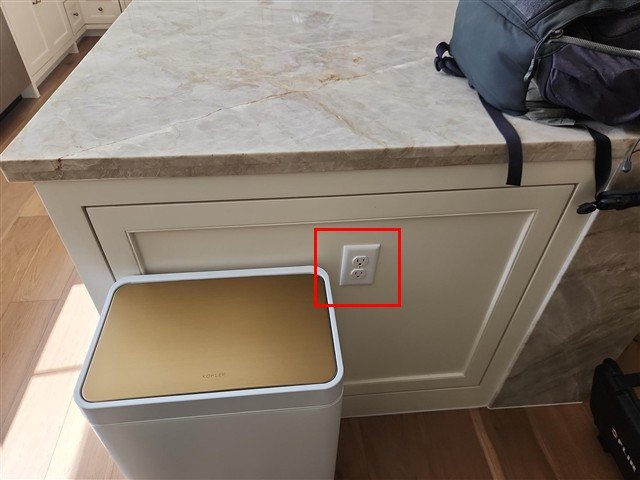
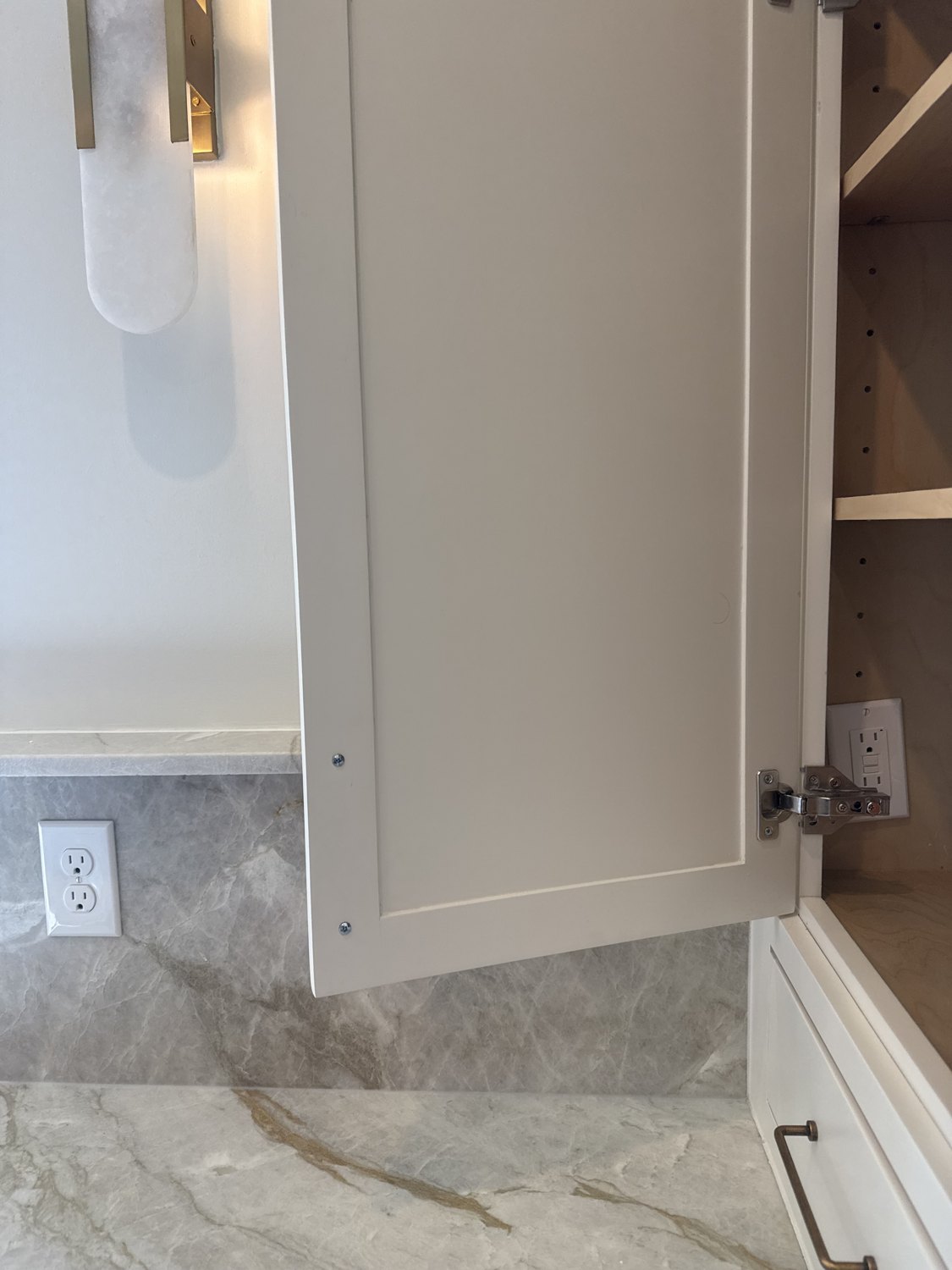
GFCI-protected outlets missing in multiple required locations, including kitchen island receptacles.
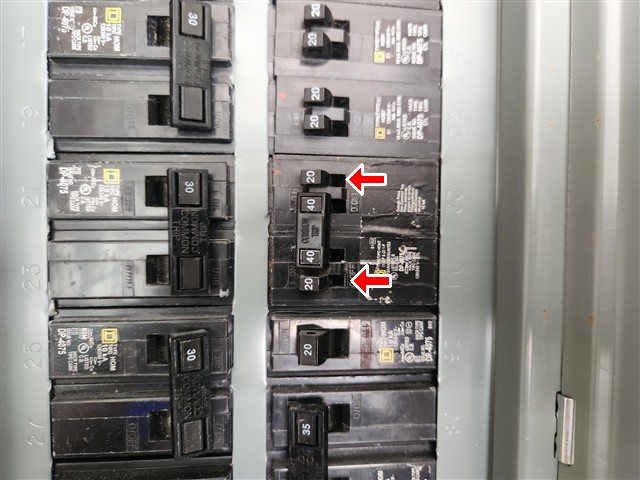
AFCI breakers not present or incomplete at the main panel — independently flagged by both inspectors as not meeting current code.
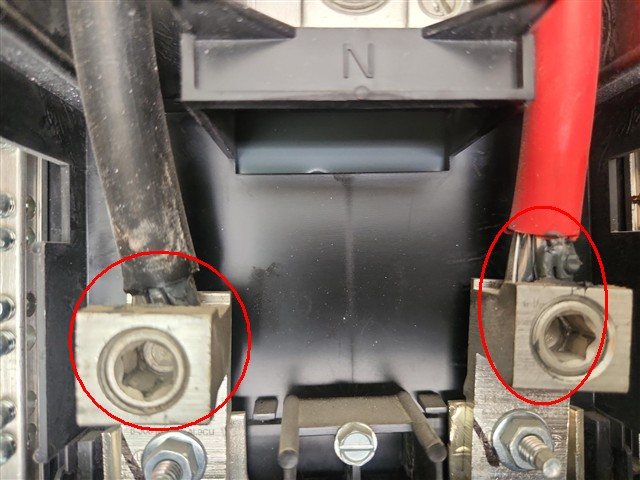
Aluminum feeder wires without anti-oxidant paste; white wires used as hot wires not properly identified; breaker ties missing at shared branch circuits.
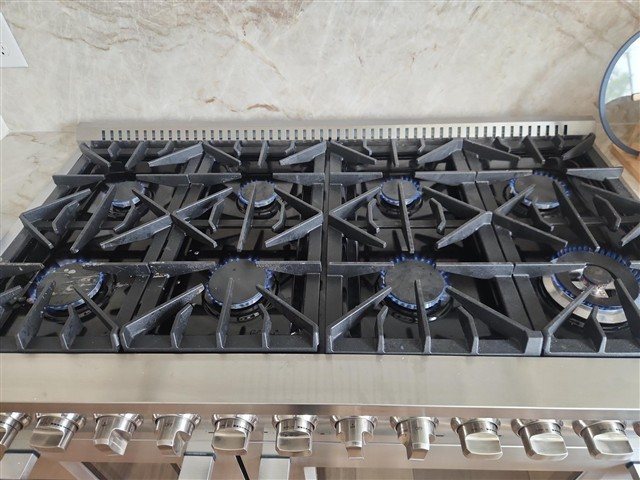
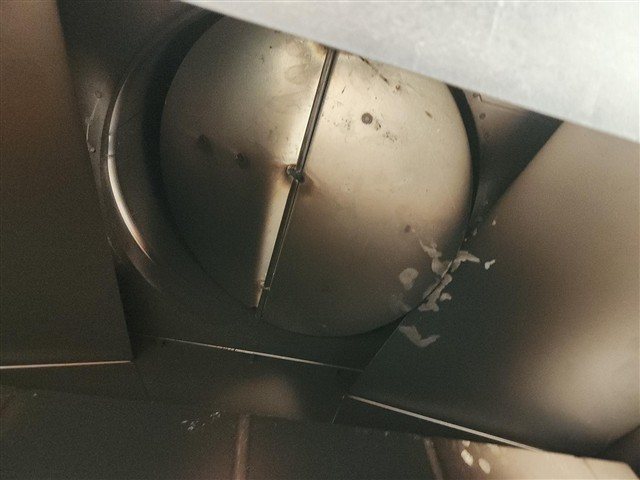
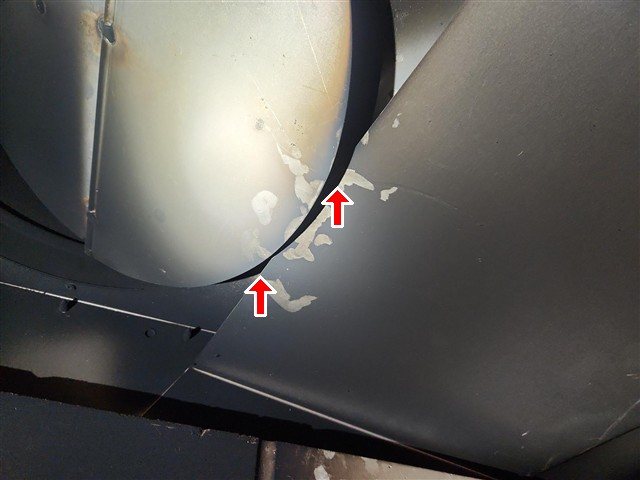
Missing damper stop (required to vent carbon-monoxide fumes); damper blocked by the metal frame; gas distribution bar producing a high-pitched whistle.
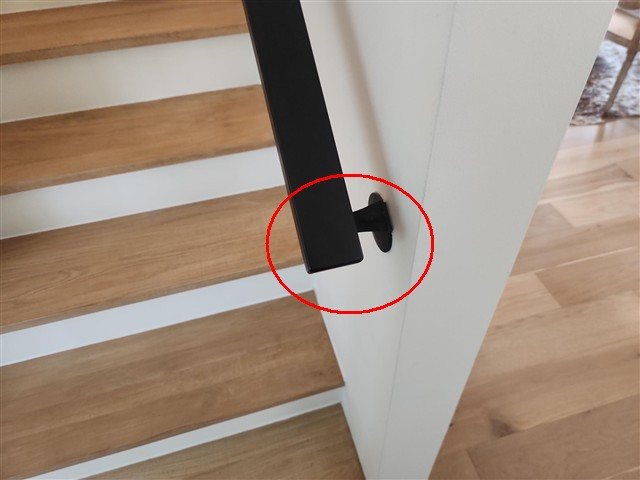
Stairway handrail does not terminate into a wall or newel post — a fall hazard flagged by both inspectors.
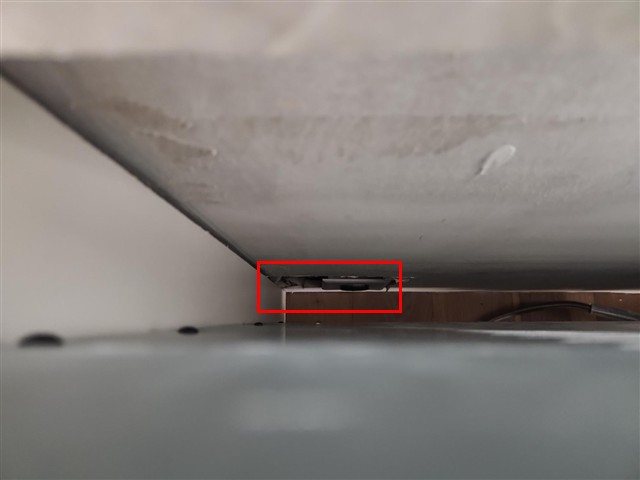
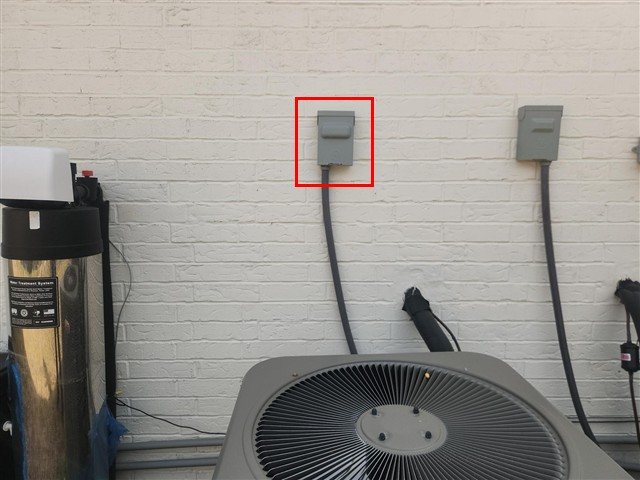
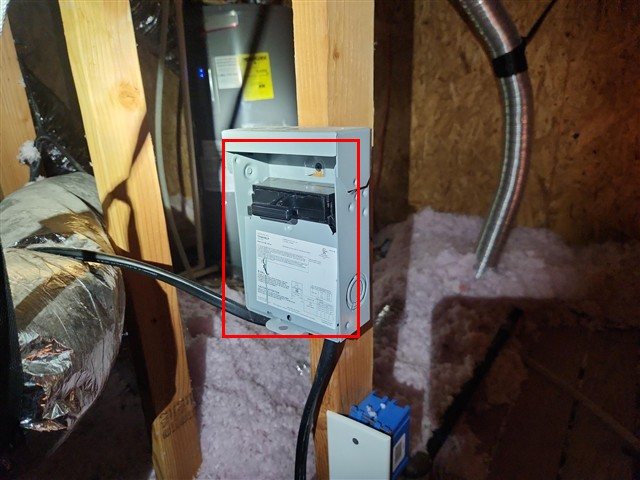
Disconnect installed behind the condenser/coil, not meeting NEC/IRC clearance requirements.
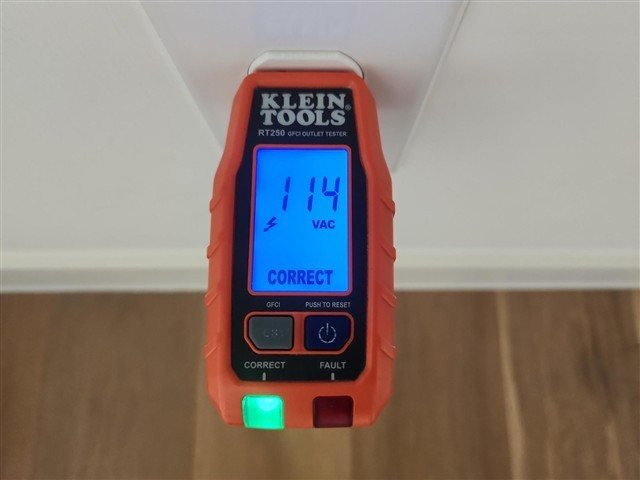
Receptacles in and around the primary bedroom showing 108–114V fluctuations; requires a licensed electrician.
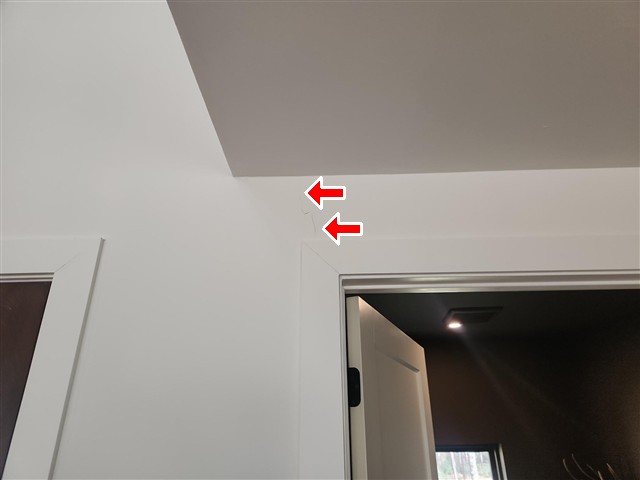
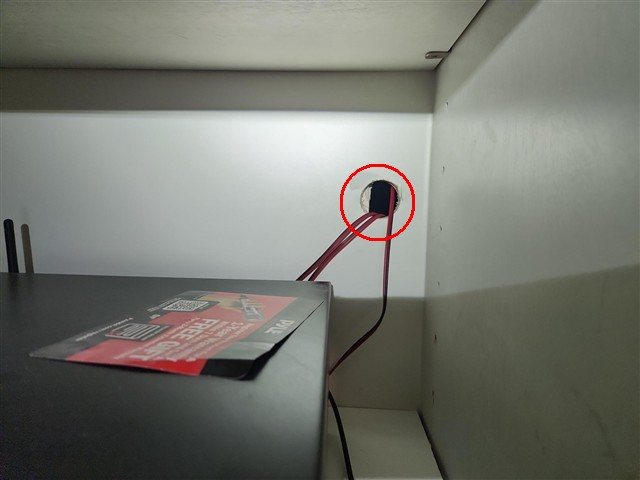
Smoke testing revealed poor air sealing at numerous penetrations — recessed lights, registers, vents, speaker cutouts, smoke detectors, plumbing. Per IRC R302.11, these must be sealed; unsealed penetrations let fire and smoke spread between levels.
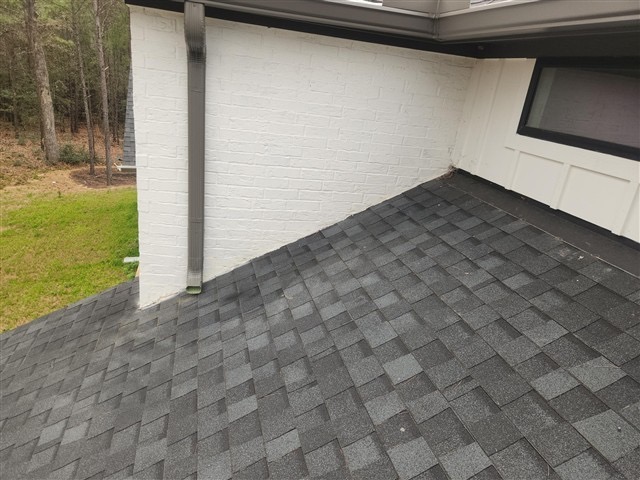
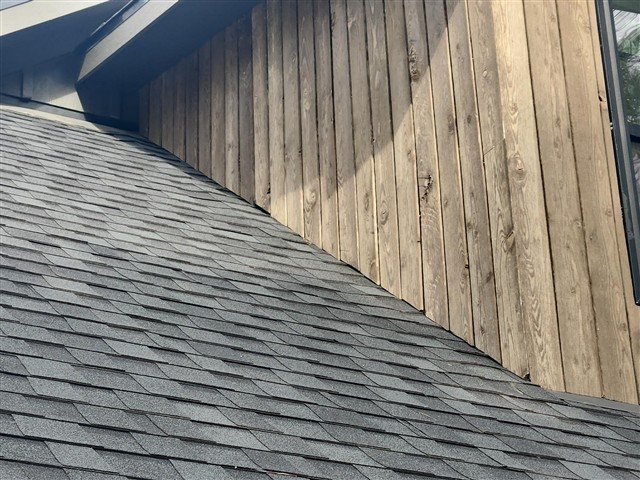
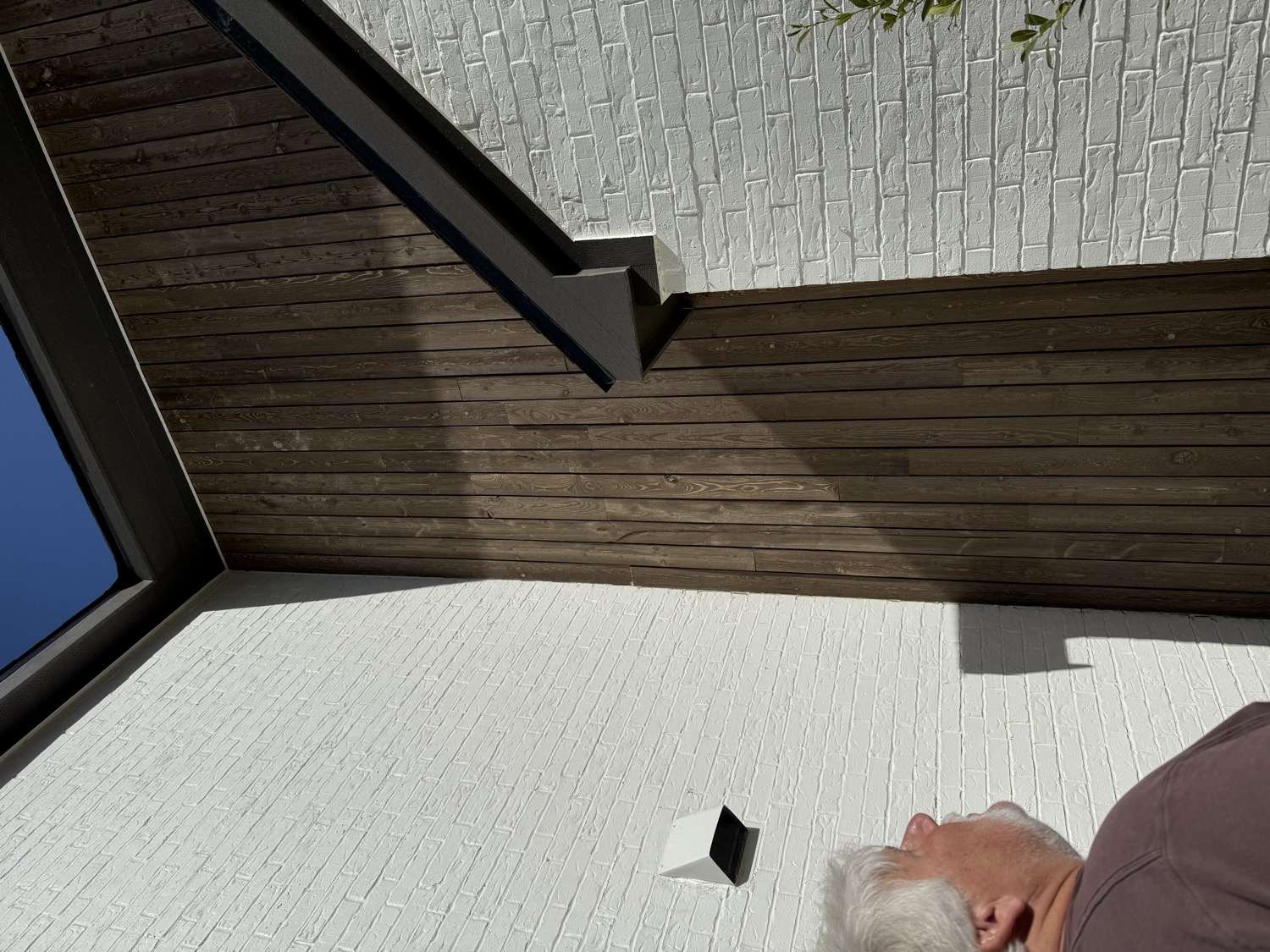
Insufficient siding/trim clearance from shingles at roof-to-wall transitions (rot risk); flashing unconfirmed at roof-to-brick transitions. My own Tesla Solar roof penetrations are exterior-only and excluded — not attributed to the builder.
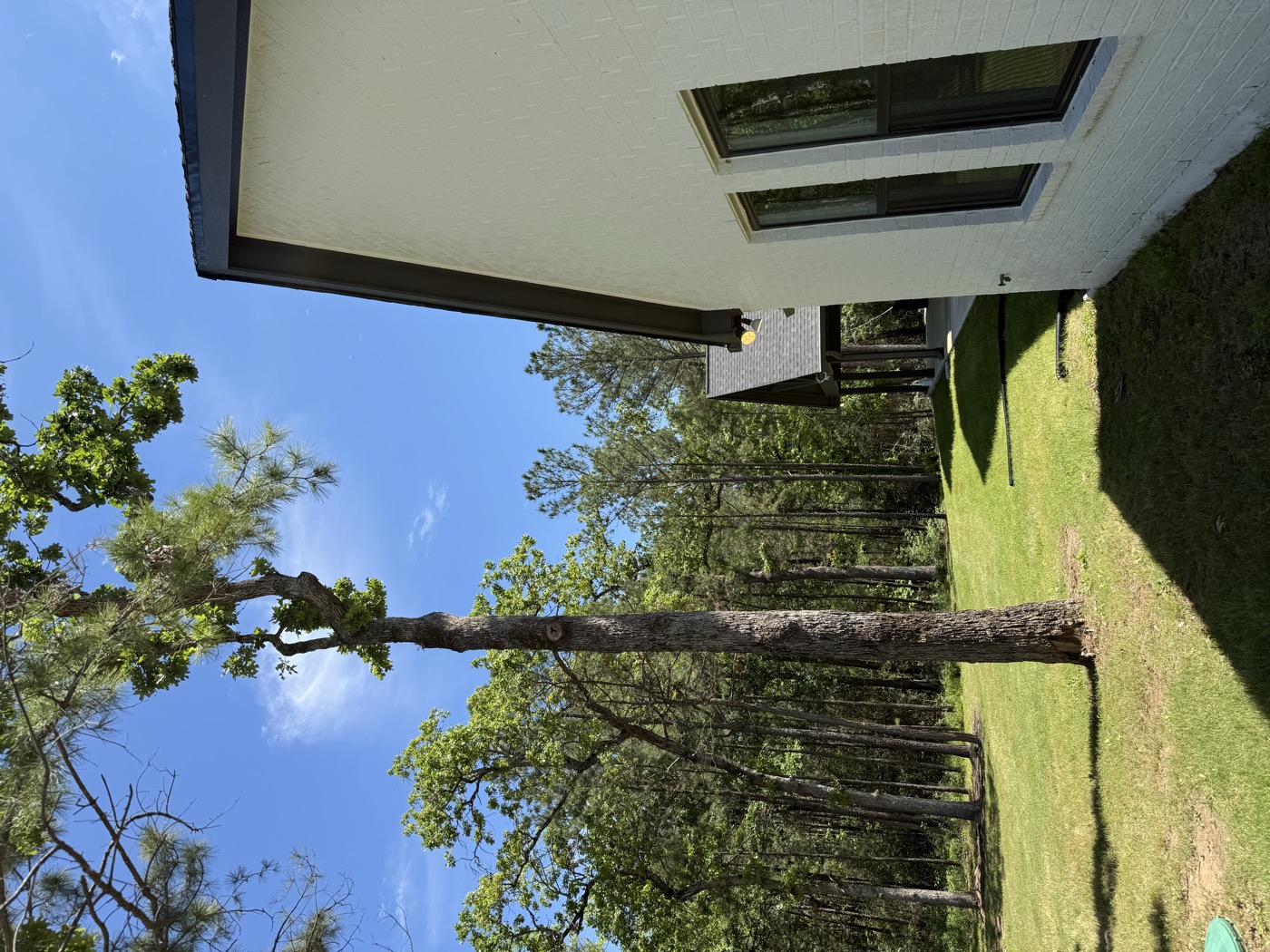
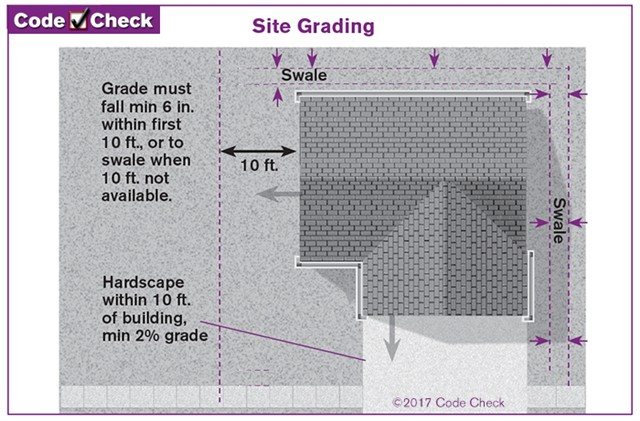
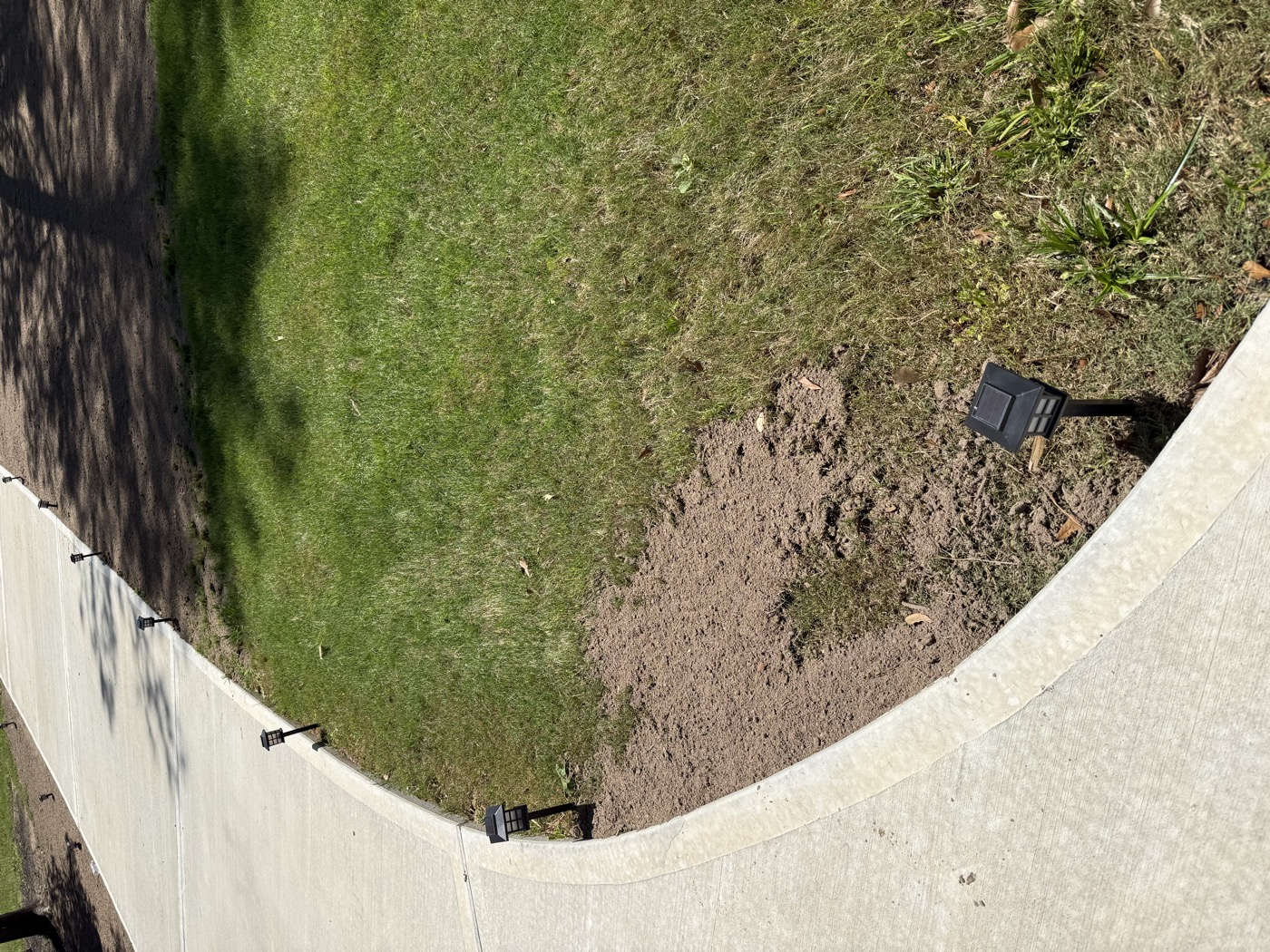
Grade improvements needed to prevent ponding/standing water at the rear of the home.
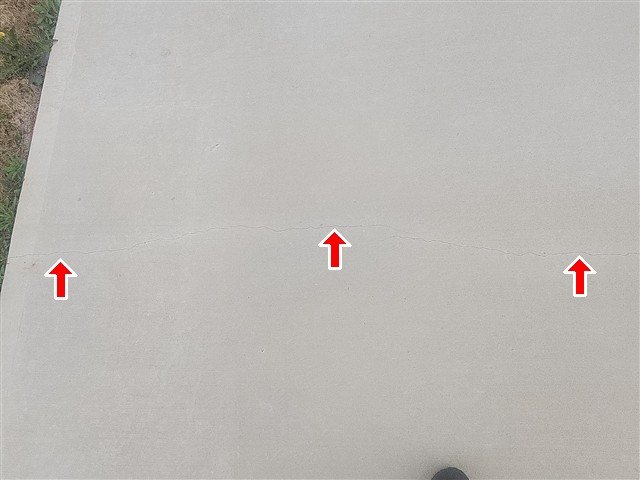
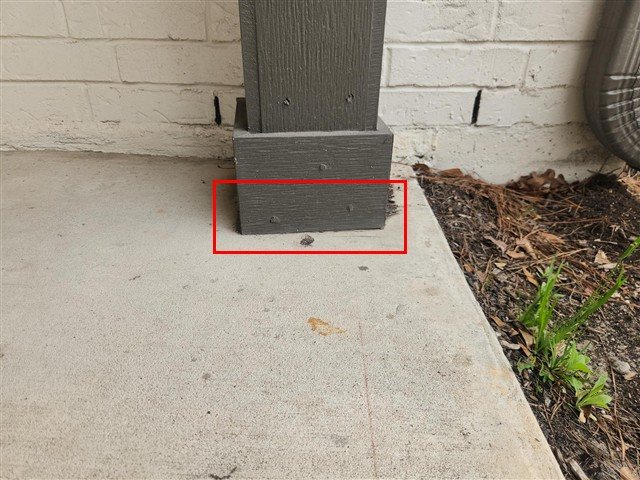
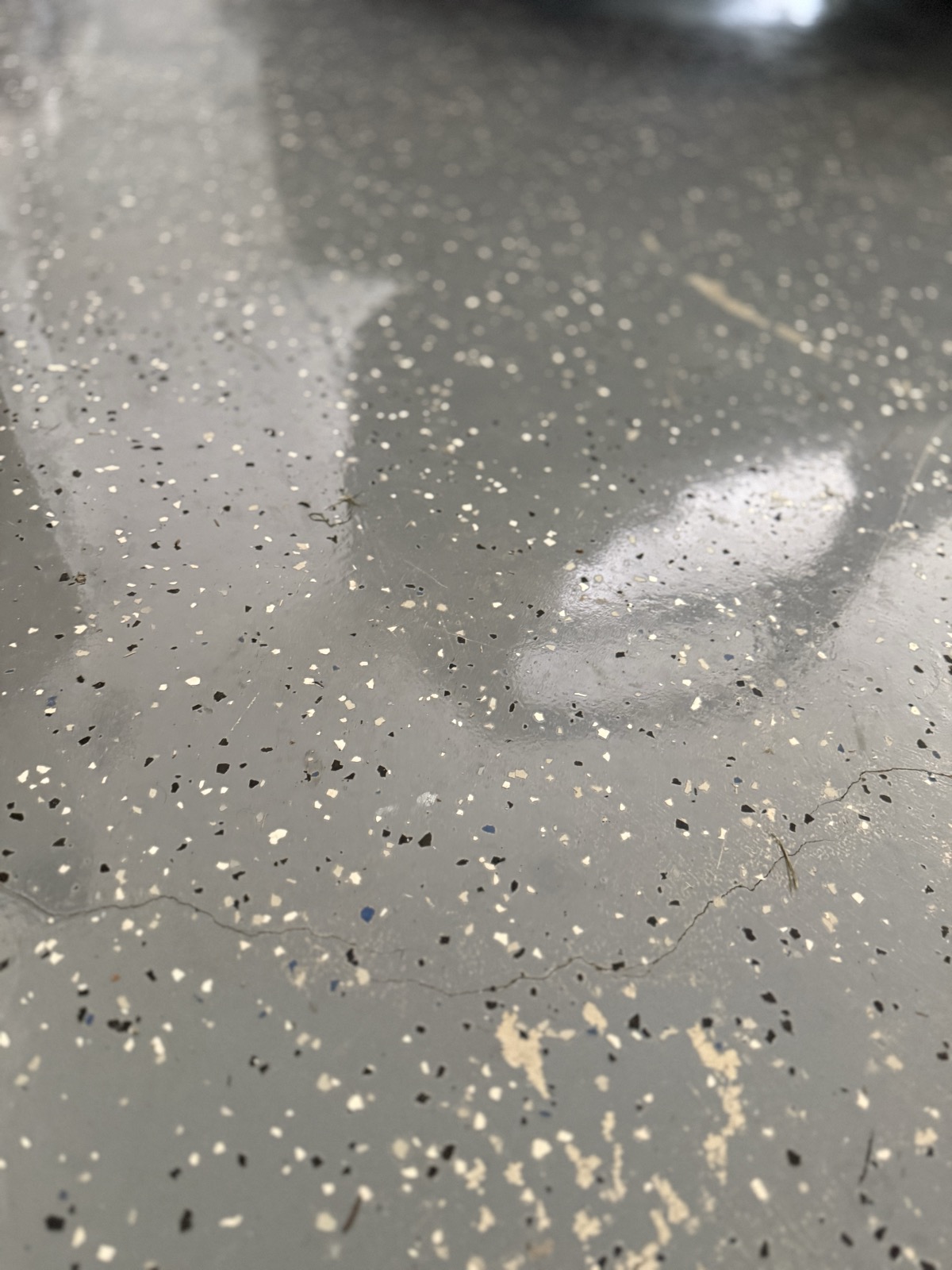
Two pads cracked across the entire surface; one also broken at a corner.
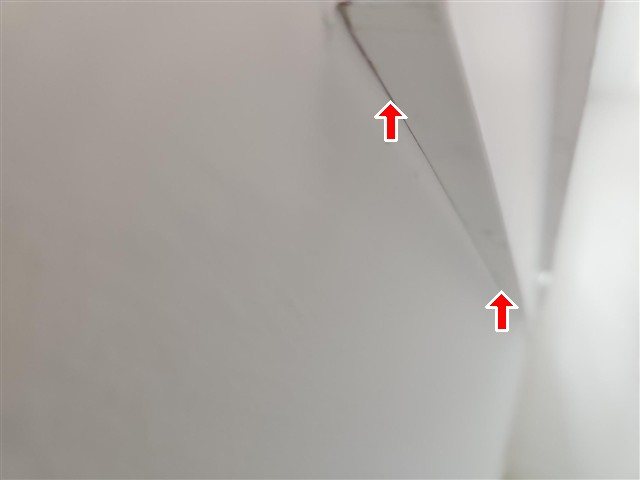
Door twisted ~¾ inch at the top when the bottom is flush, causing air leakage.
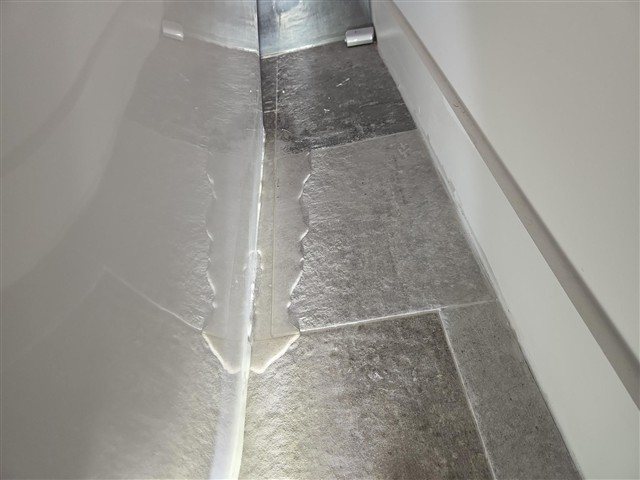
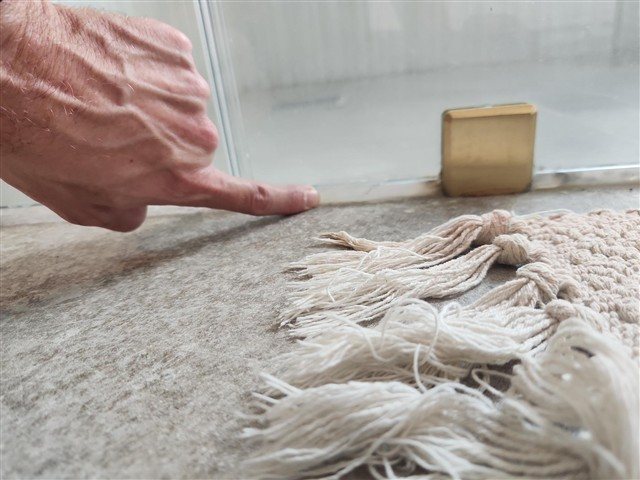
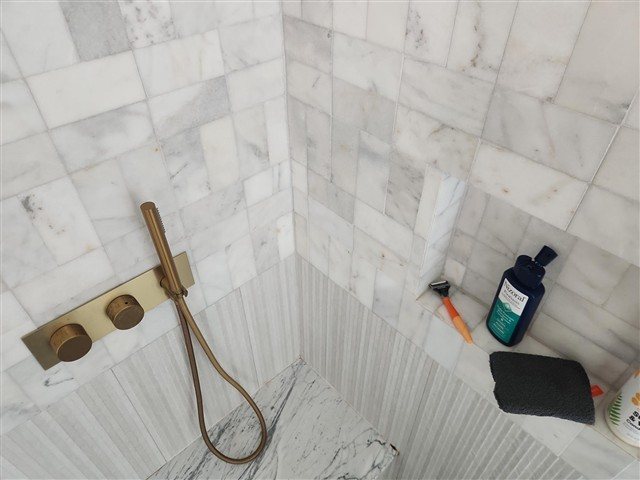
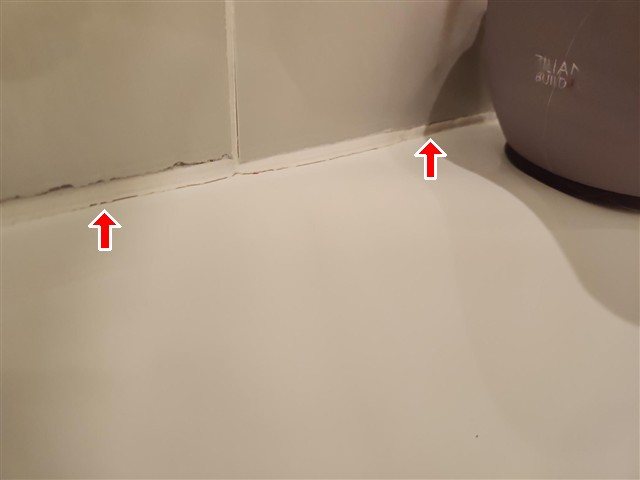
Active leak at the glass panel; heavily mildewed caulking; ~1-inch glass-to-floor gap (too large for caulk); LED-strip install left a gap between tile and substrate.
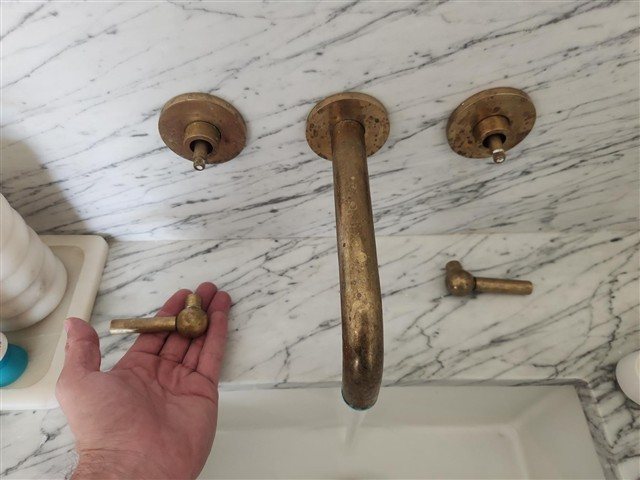
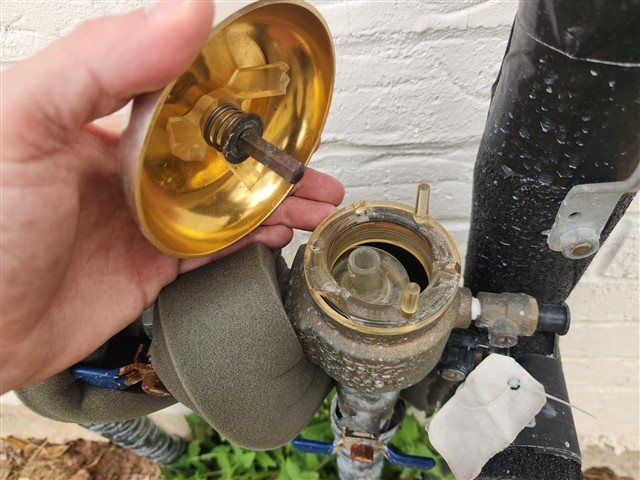
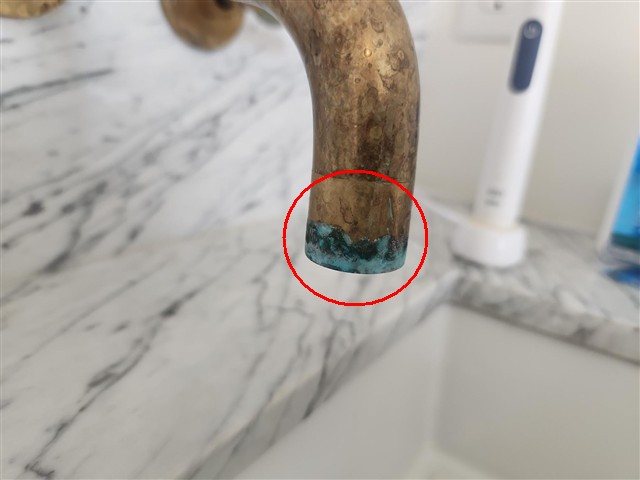
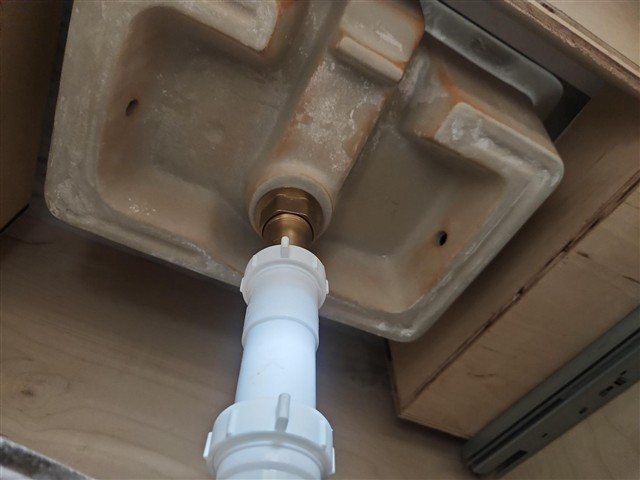
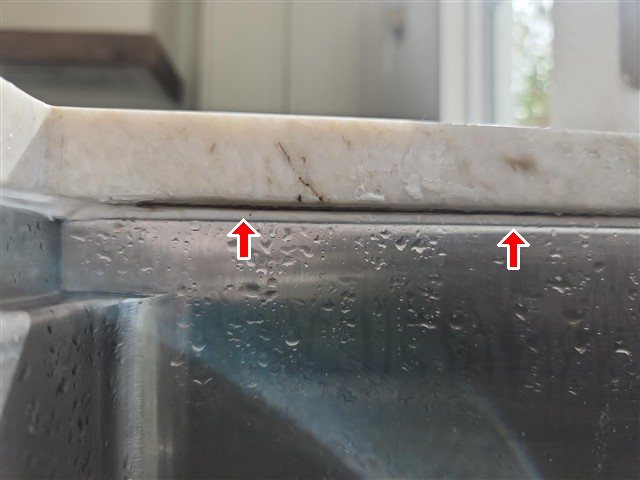
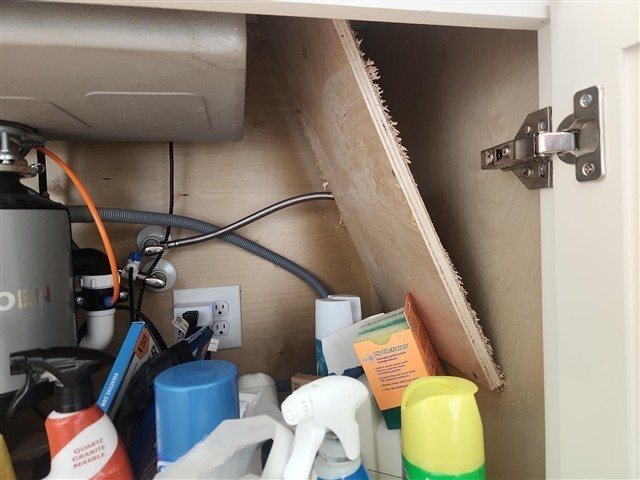
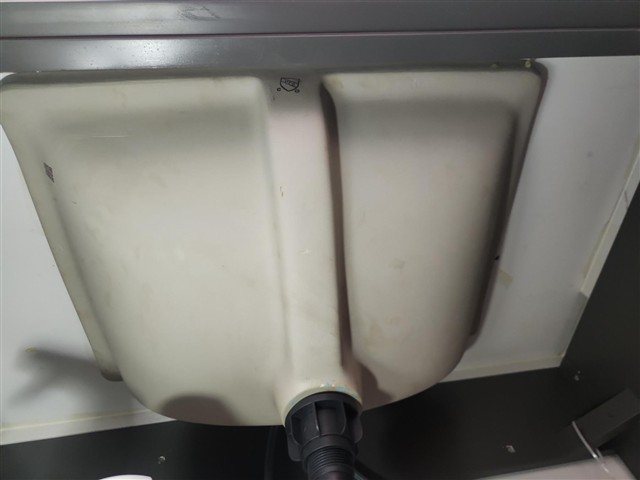
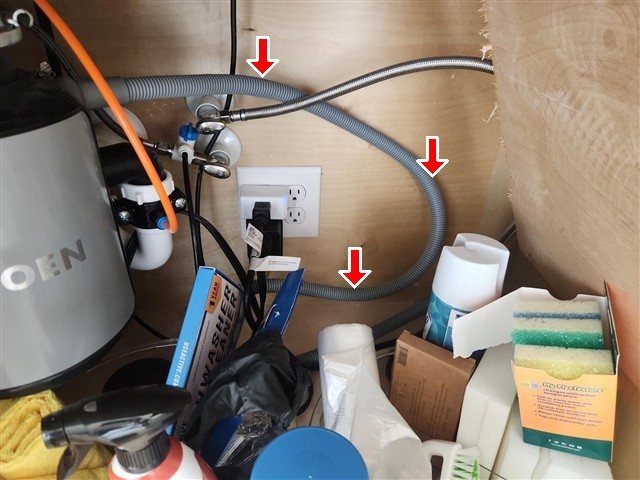
Detached valve handles, corrosion, a slow drain, undermount sinks missing clips/braces, and caulking gaps at sink-to-countertop transitions.
Should be pulled, inspected, and reset; potential for hidden water damage beneath the flooring.
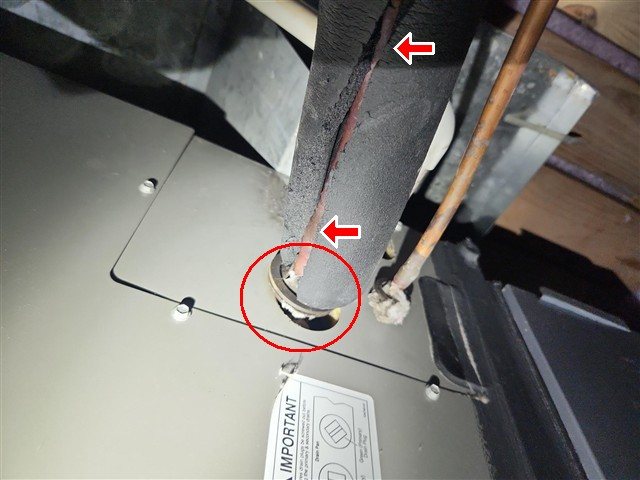
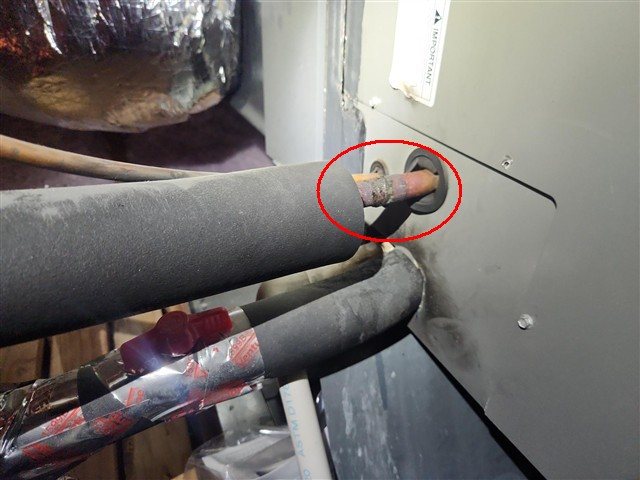
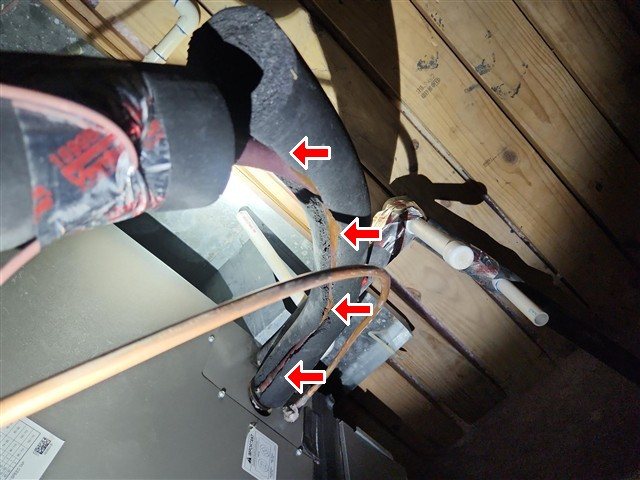
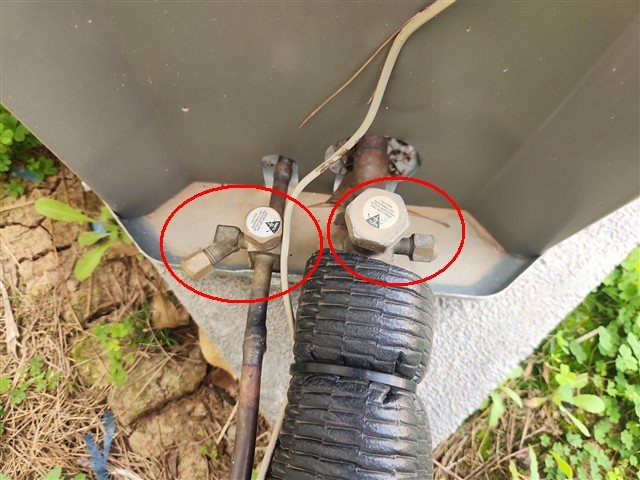
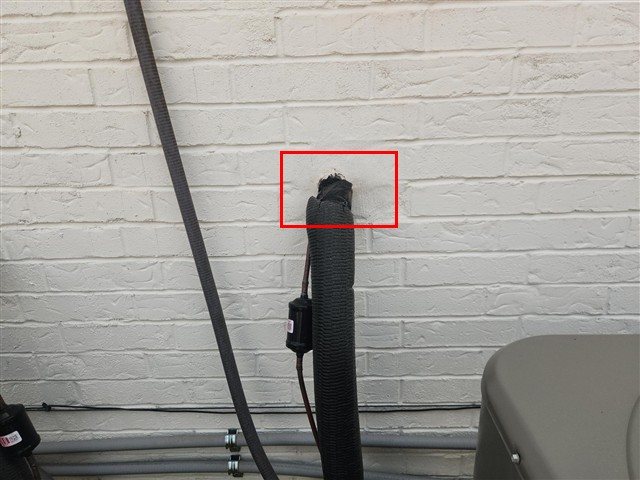
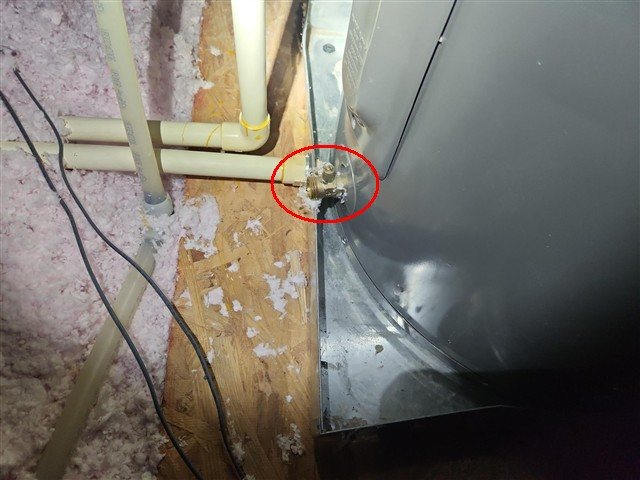
Missing tamper-proof locking caps and refrigerant hoods, mastic gaps at evaporator cases, line-insulation gaps in the attic, missing cover plate, detached conduit; plus ductwork resting on ceiling drywall.
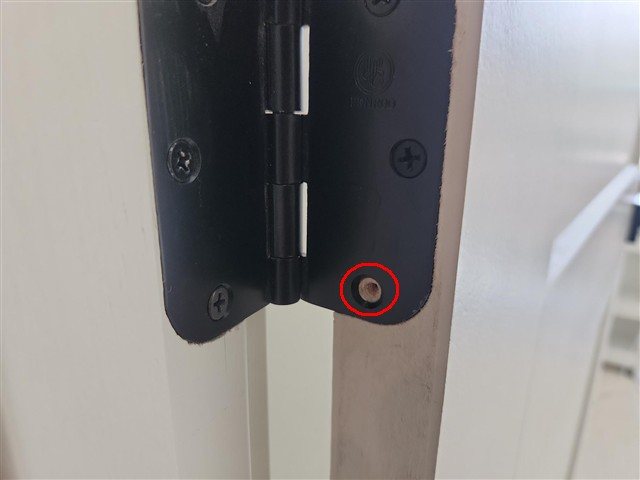
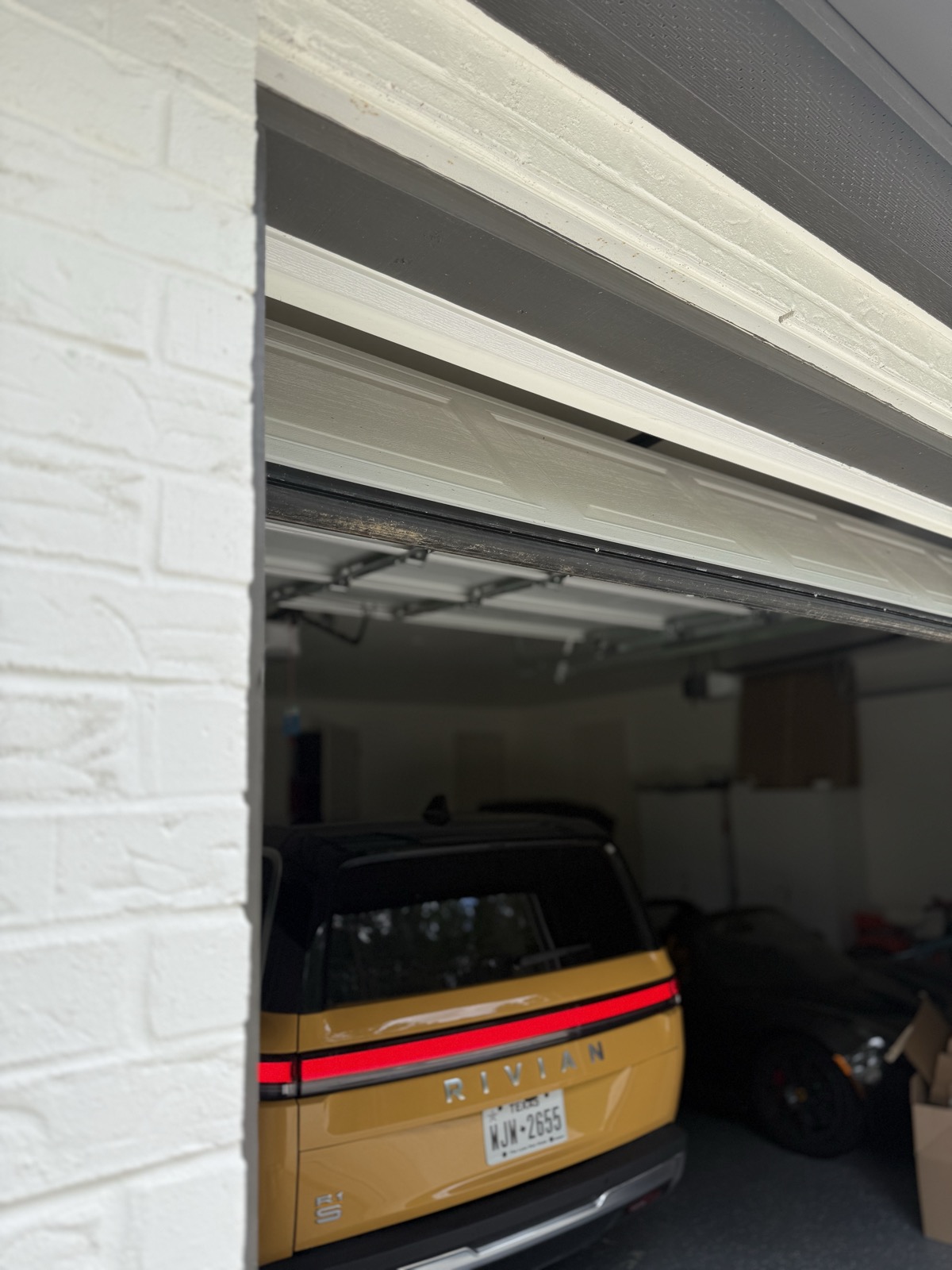
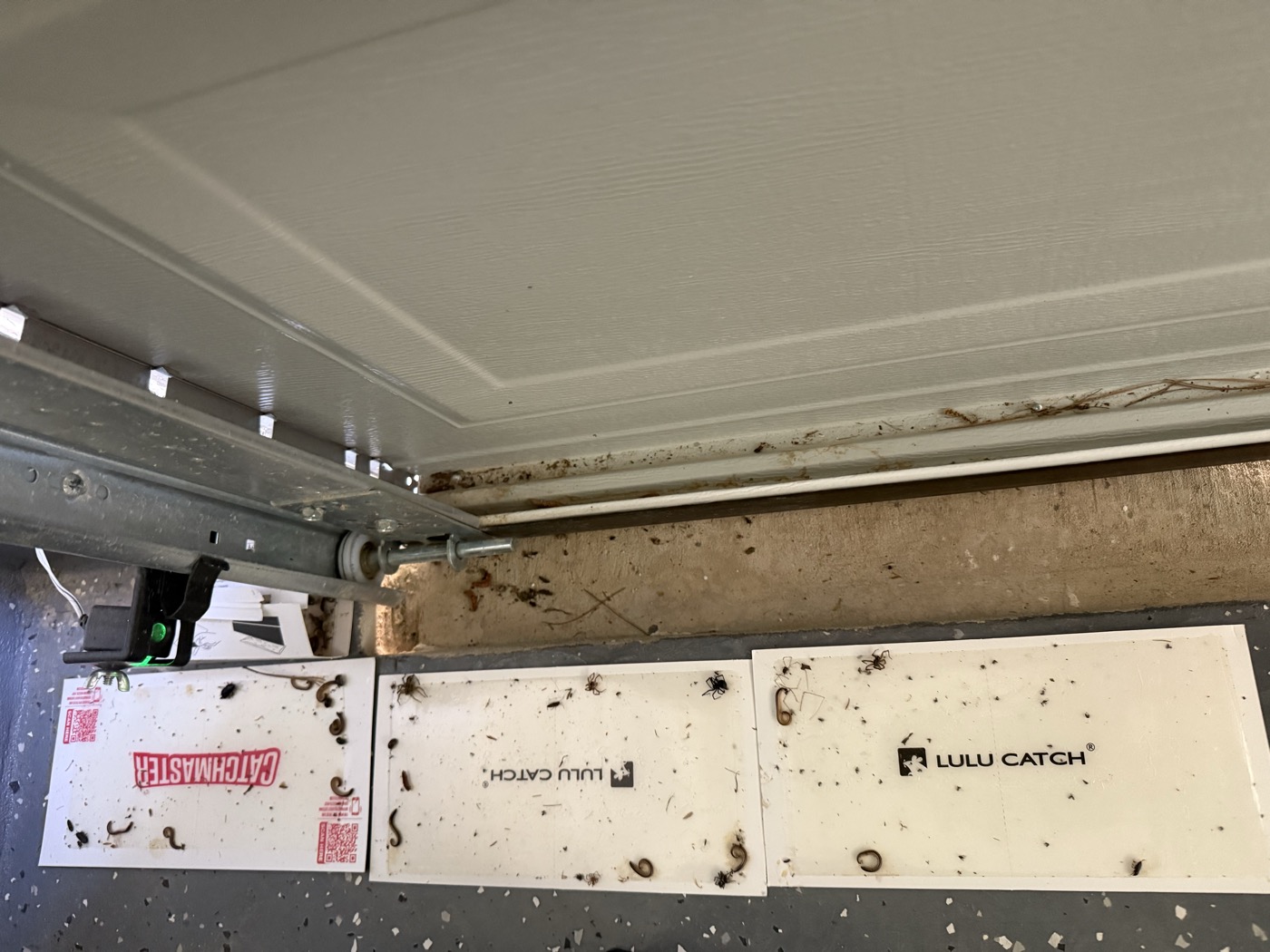
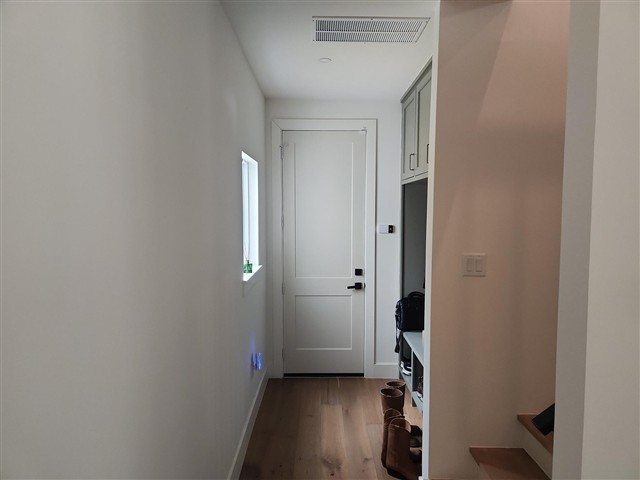
Missing self-closing hinges on the garage-to-house door (both inspectors); excessive air gaps at the garage exterior door; door hardware sized for 7-ft doors installed on 8-ft doors.
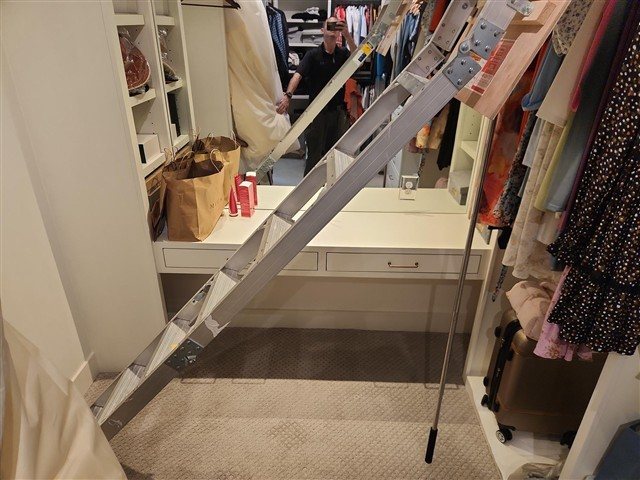
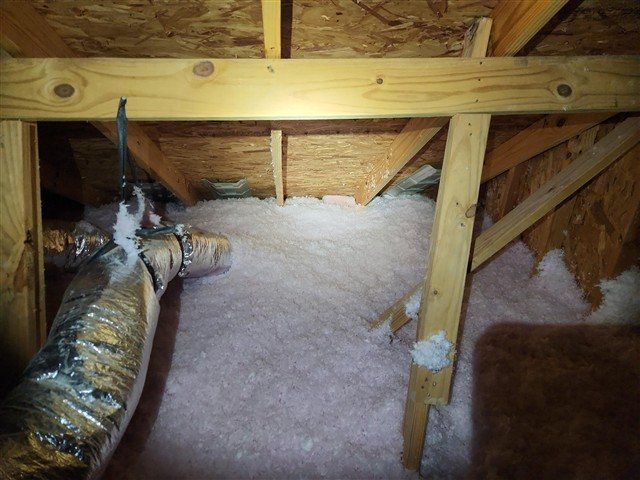
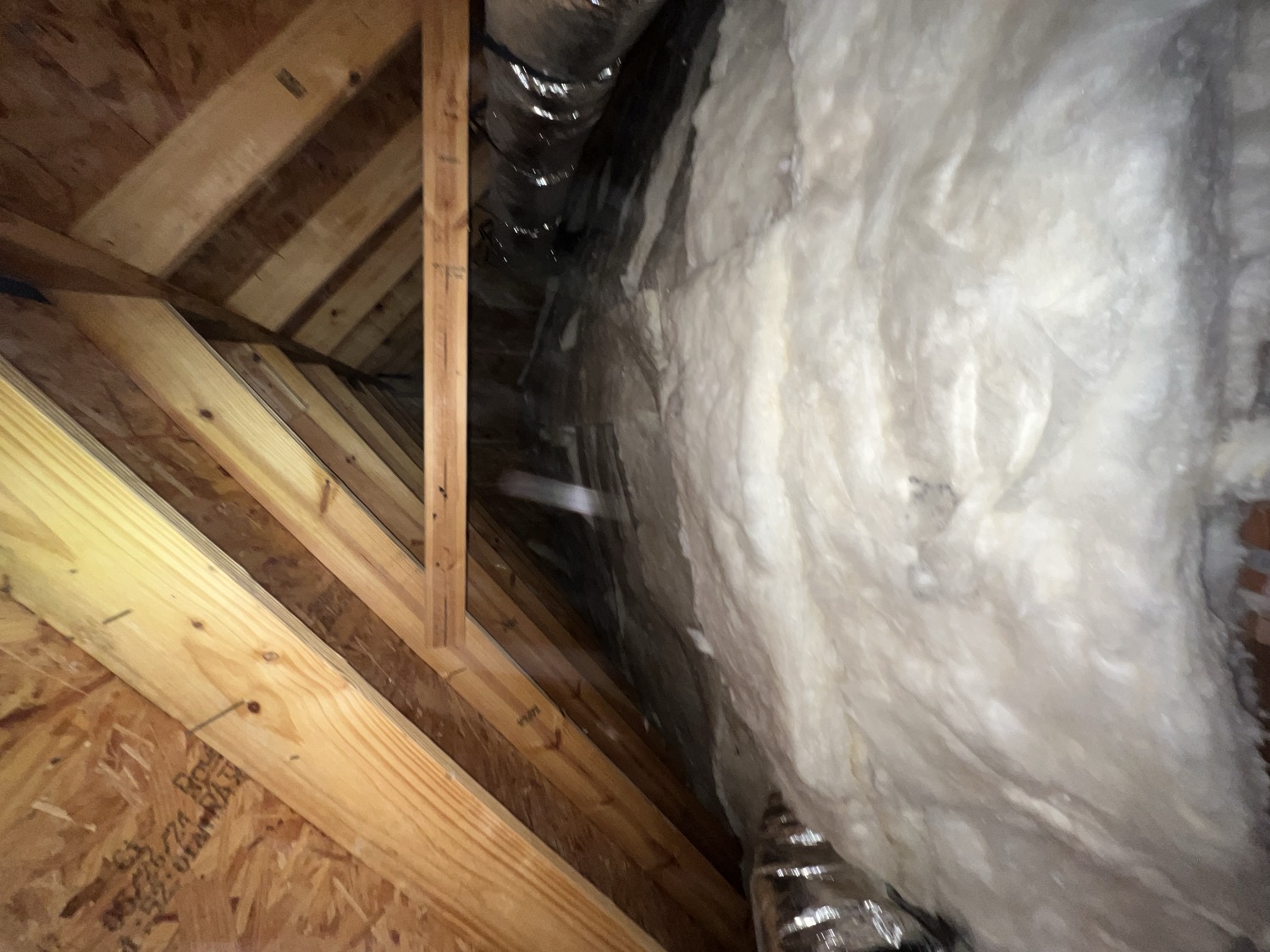
Improperly installed pull-down attic ladder in the master closet; disturbed/displaced batt insulation and uninsulated sections in the vaulted ceilings (see Evidence).
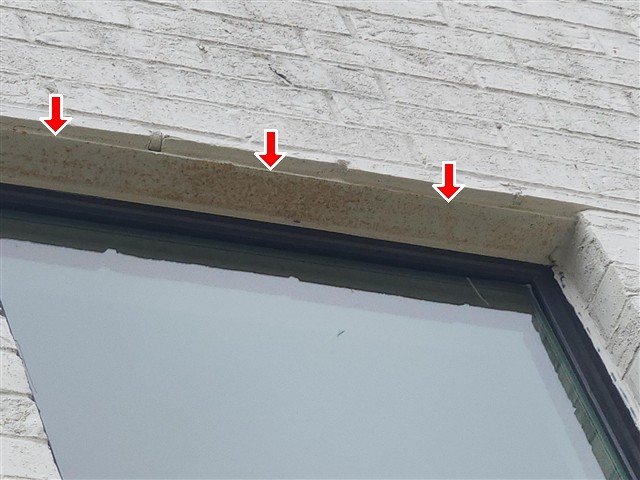
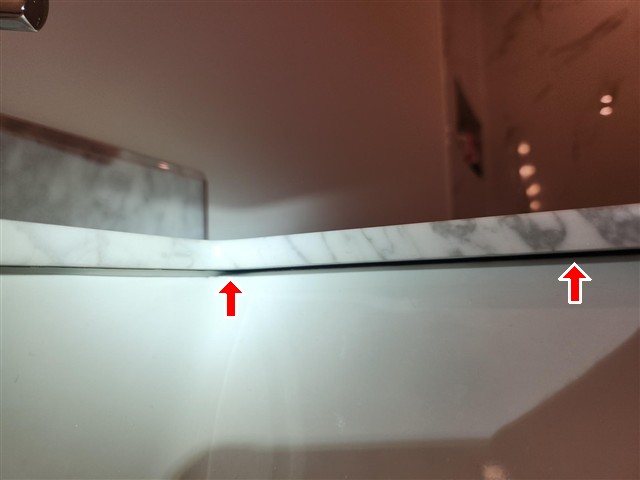
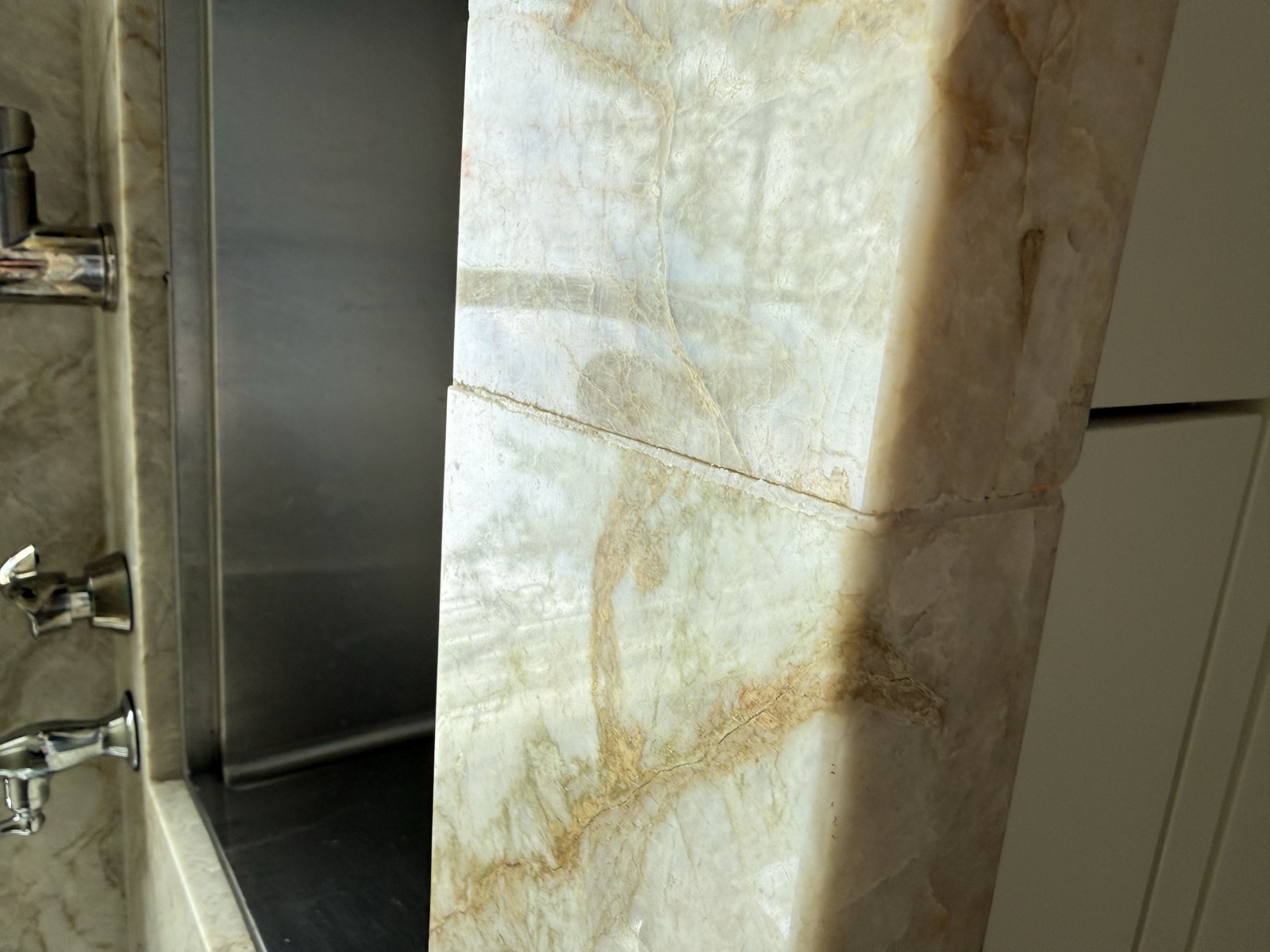
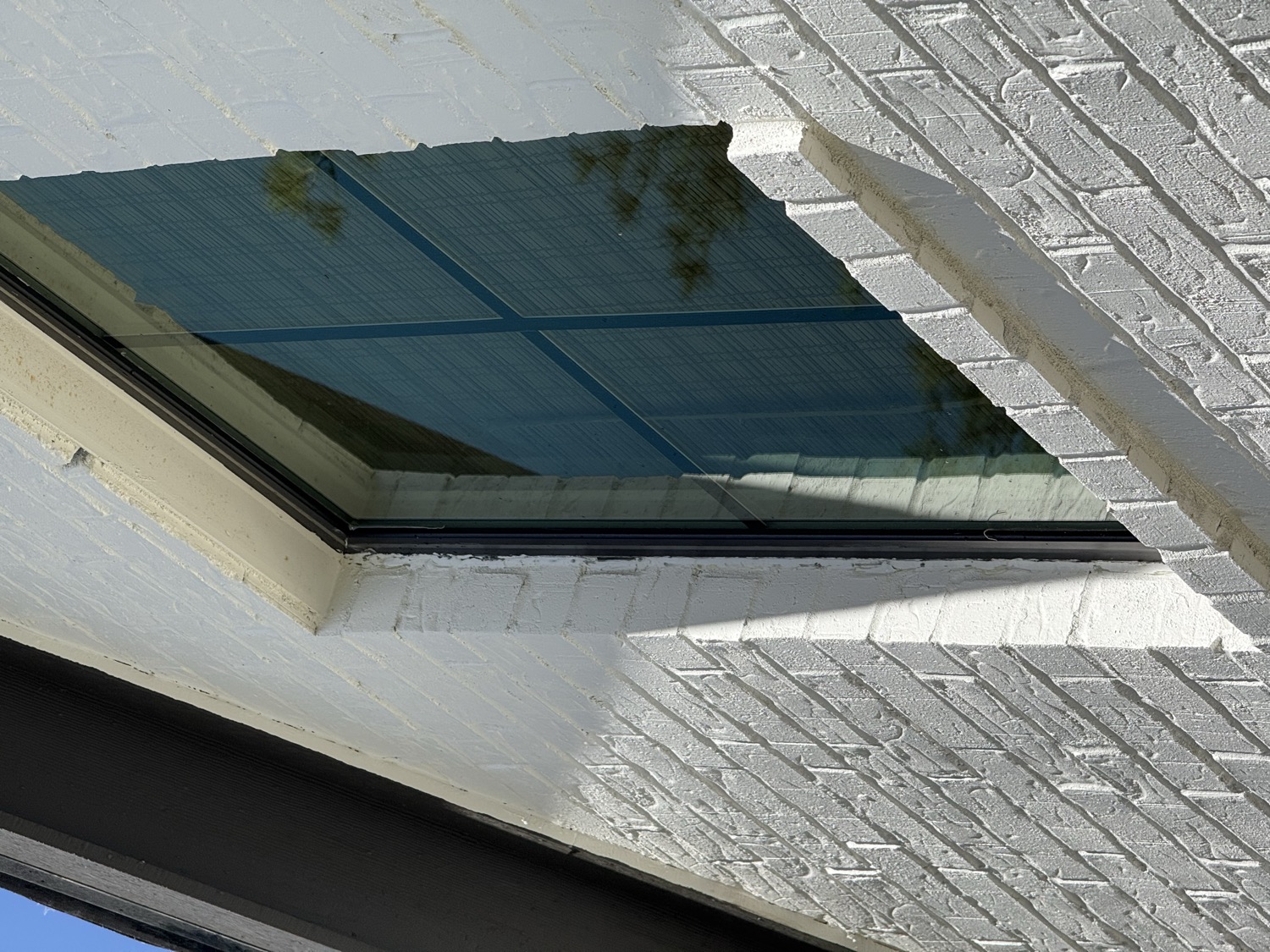
Natural-stone surfaces (counters, window sills, jambs) cracked in multiple locations, with at least one area where pieces appear joined/seamed rather than a single slab. My opinion: poor workmanship for a new build at this level — see the photos in Evidence.
This is a summary of the most material items. The complete, line-by-line findings are in the two inspection reports — available to download below.
The clearest example
One year of ownership. Zero baths.
The 11-month inspection documented a heavy water leak around the base of the primary tub during operation, along the back side — indicating the tub drainage may be damaged or incomplete. The tub is not properly seated and can be physically lifted. The inspector recommended it be removed, the sub-floor and drain connections inspected for water damage, and the unit properly reinstalled and sealed.
Evidence
My own documentation of conditions at the home. Beyond the two licensed inspections, I commissioned an independent blower-door / smoke test, thermal imaging, and an insulation-contractor evaluation of the thermal envelope. Any interpretation is labeled as my opinion.
A short walkthrough of the attic insulation and air-sealing conditions.
Natural-stone surfaces — counters, window sills, and jambs — cracked in multiple locations, with at least one area where stone appears pieced/seamed together. My opinion: for a new home at this price point this reads as poor workmanship, and it leaves me wondering whether damaged pieces were patched and installed rather than replaced.


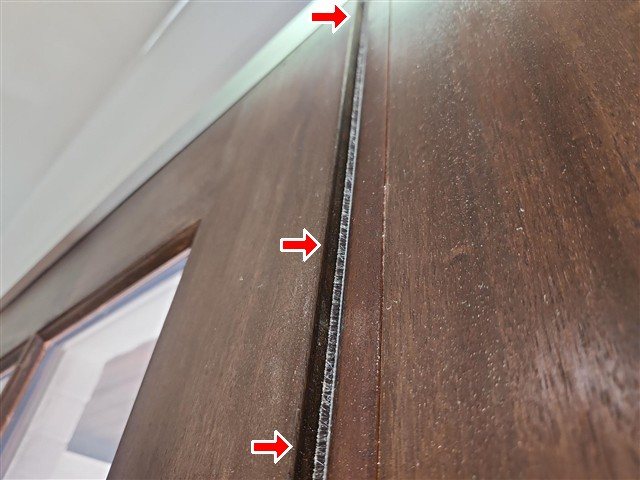
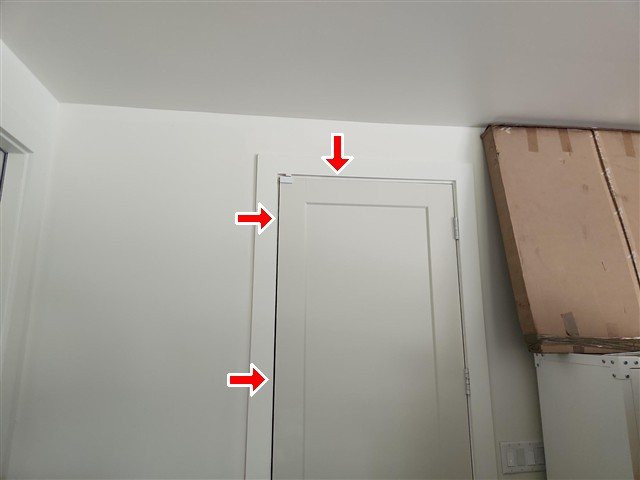
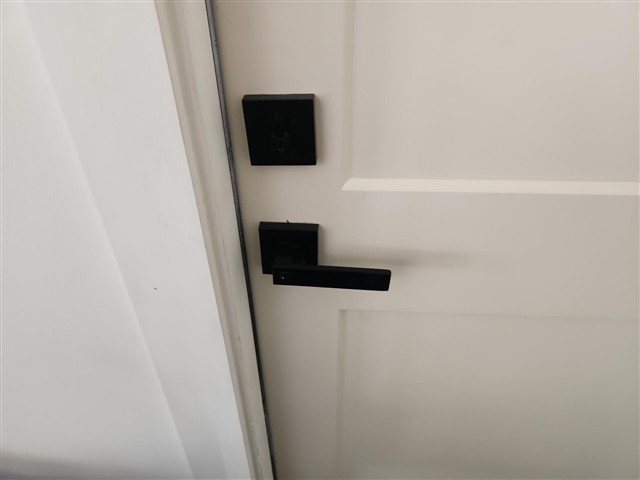
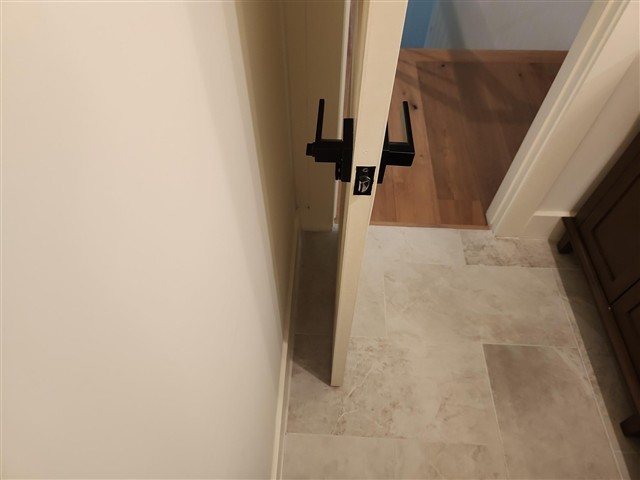
Misaligned doors with large gaps between slab and frame — including the front door, the garage access door, and the garage-to-yard door. My opinion: daylight is visible through these gaps and insects get into the home through them.


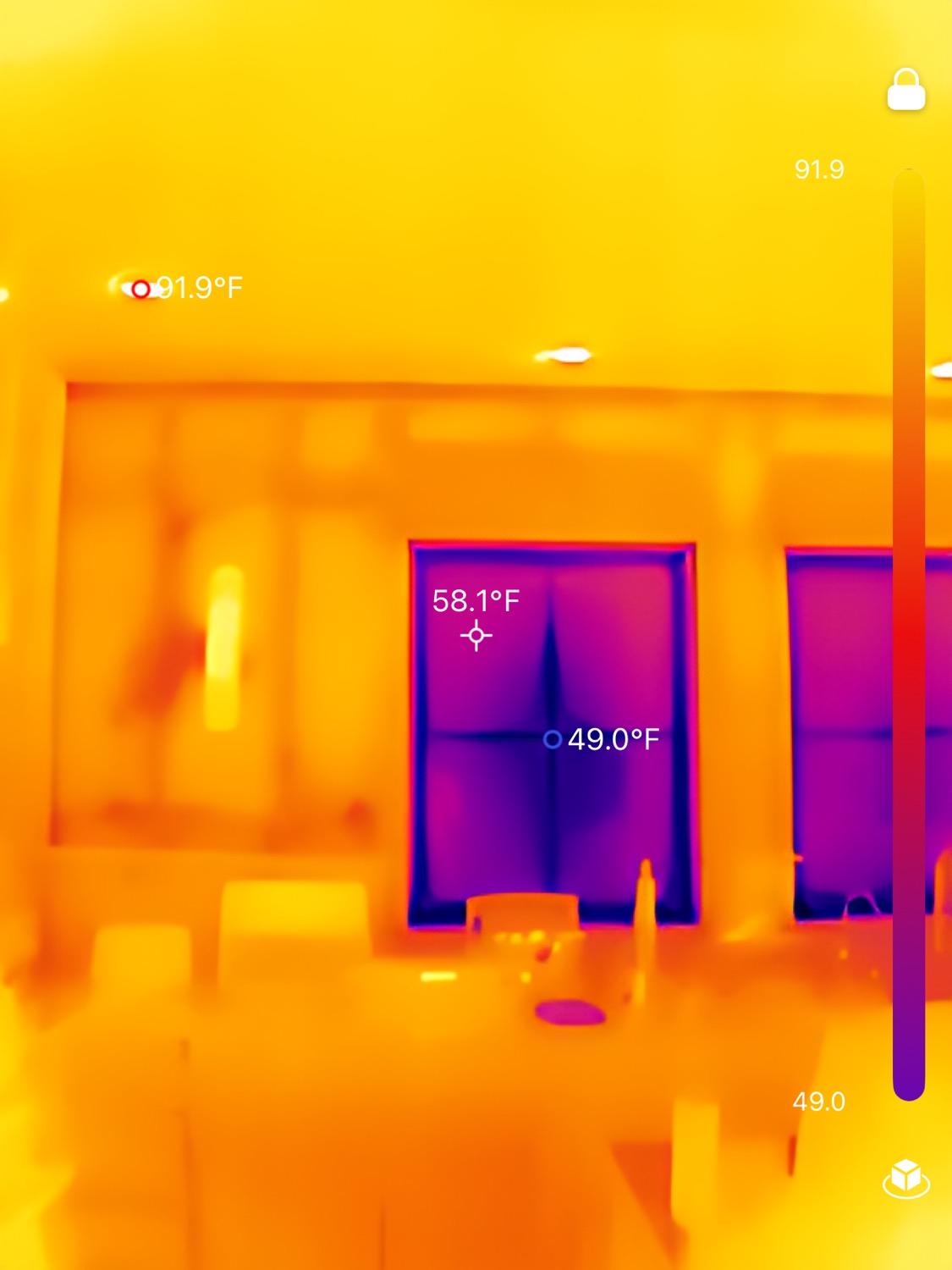
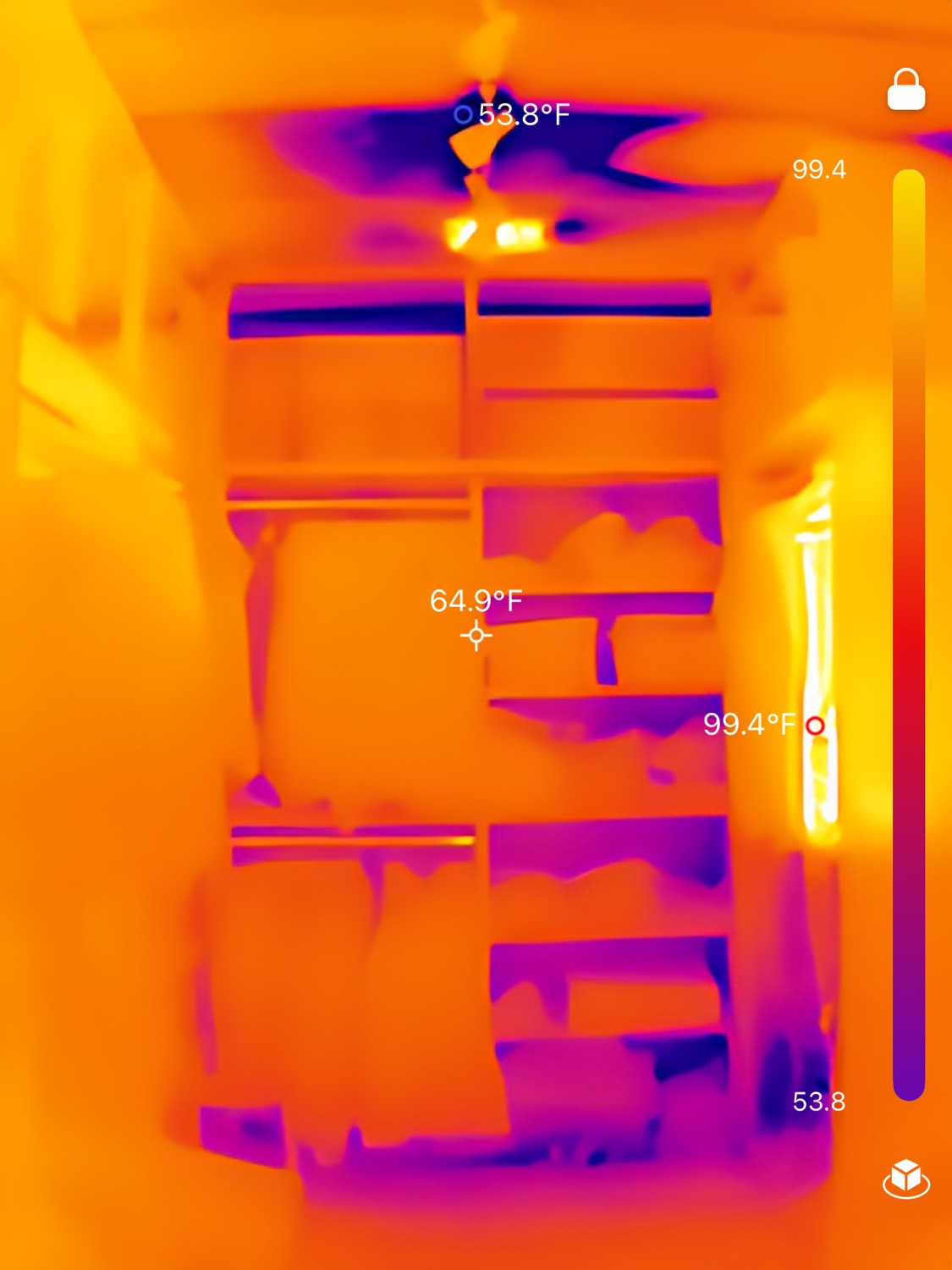
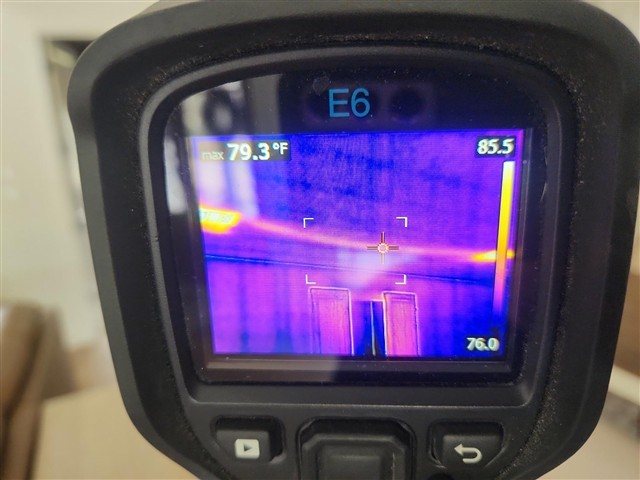
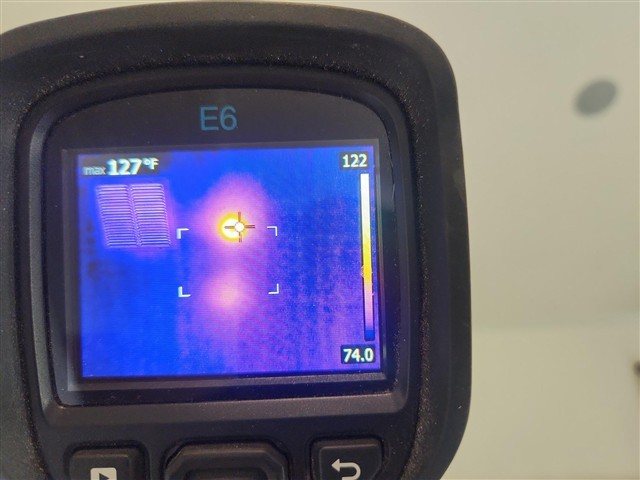
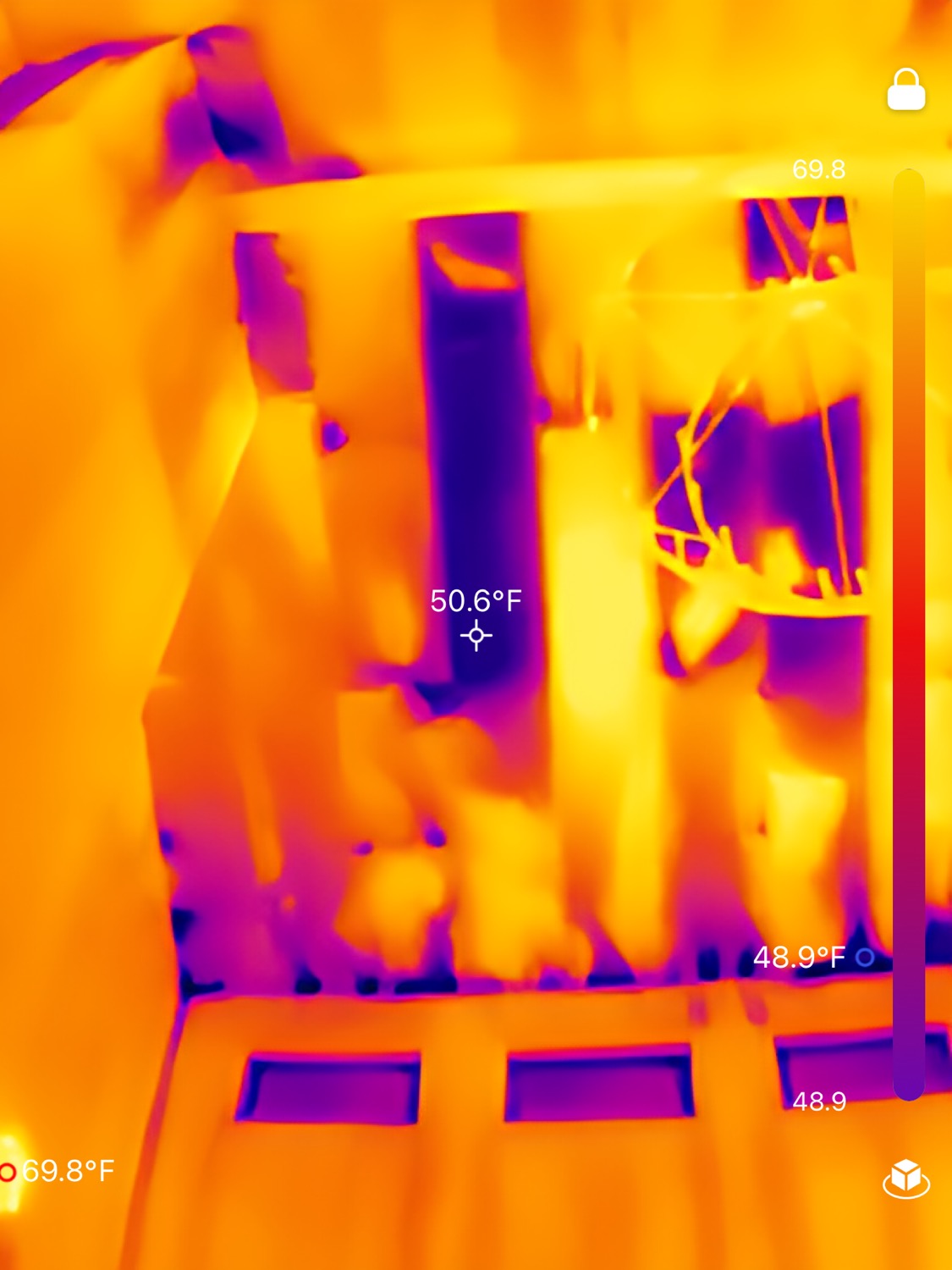
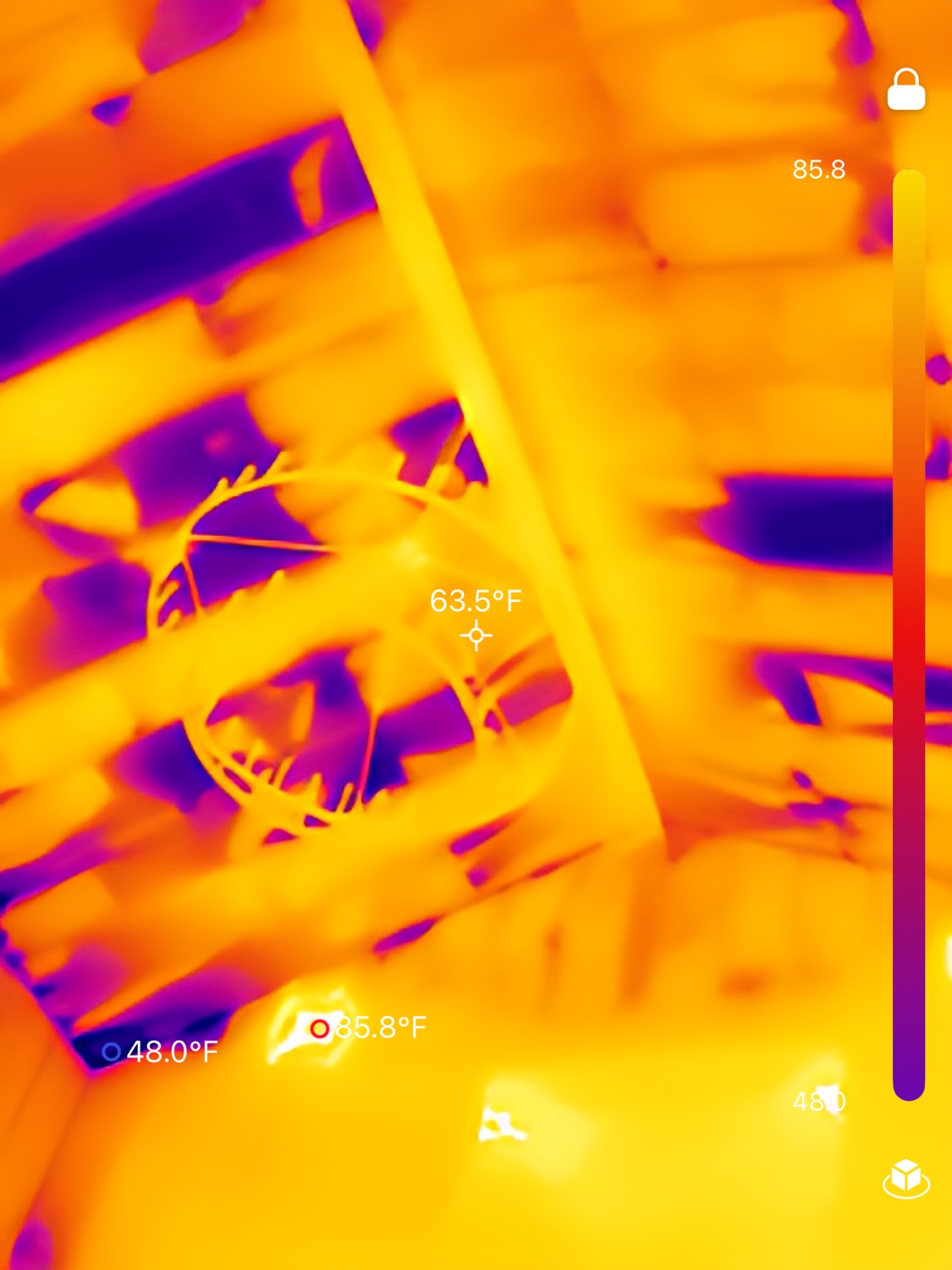
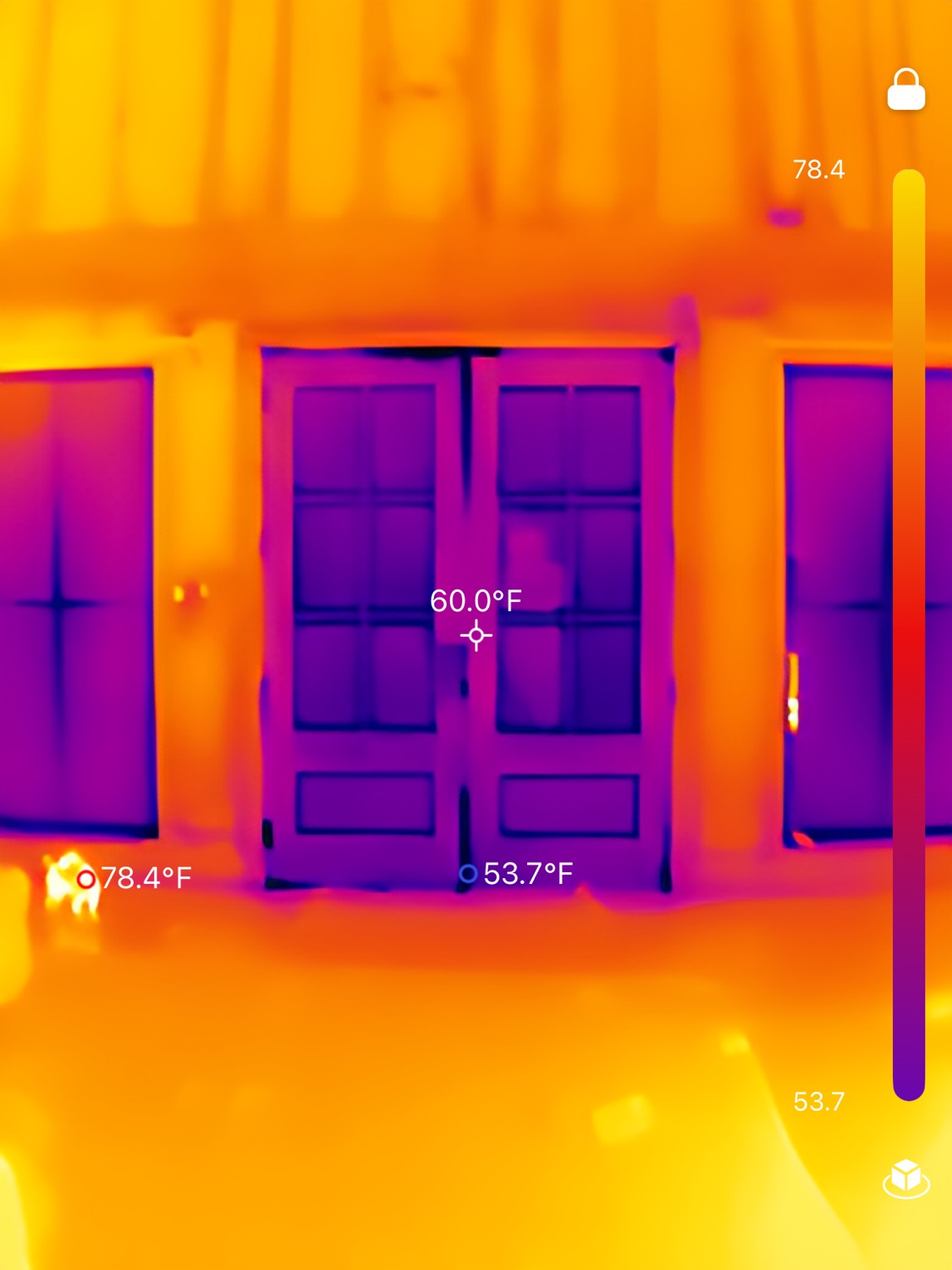
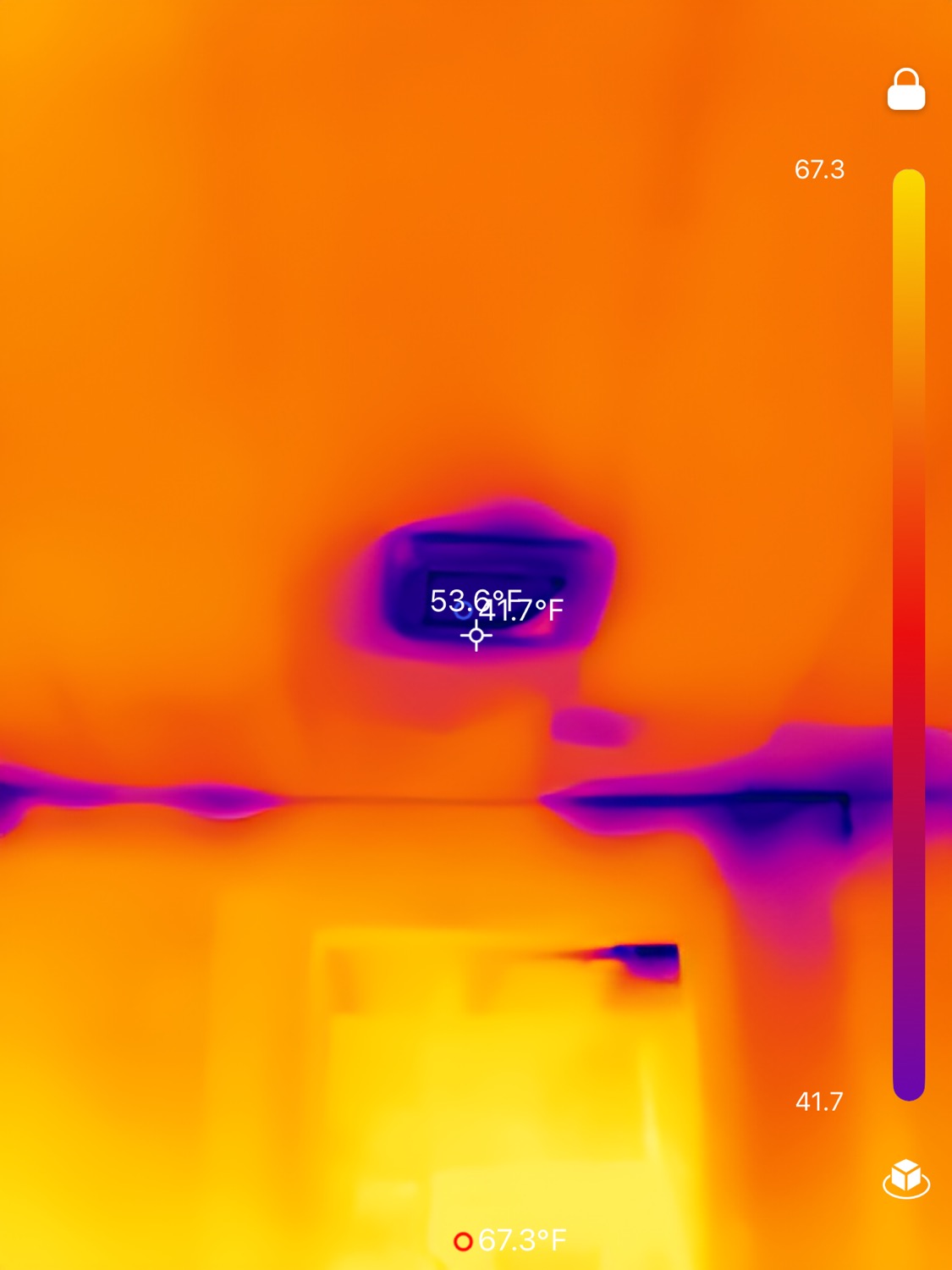
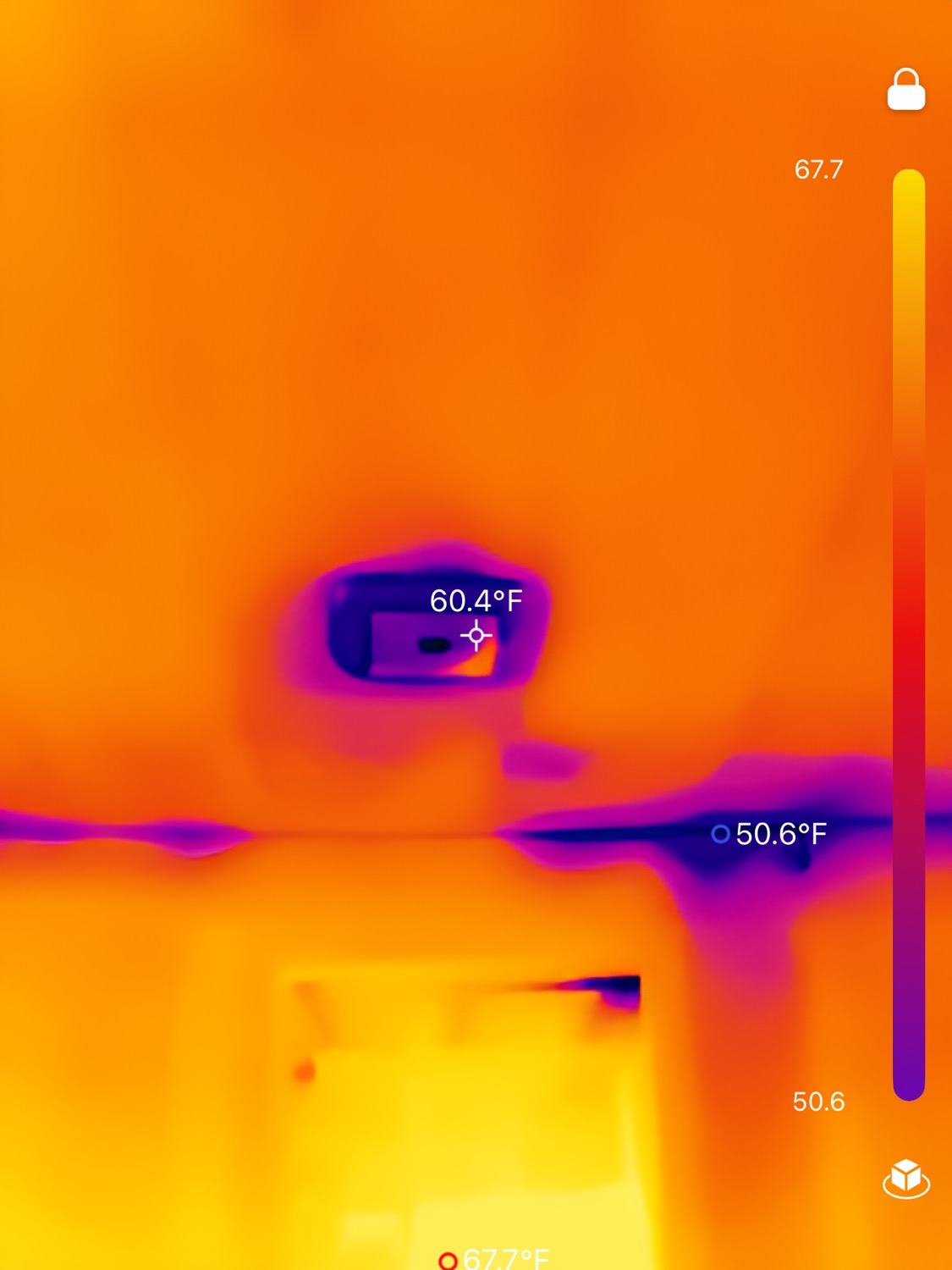
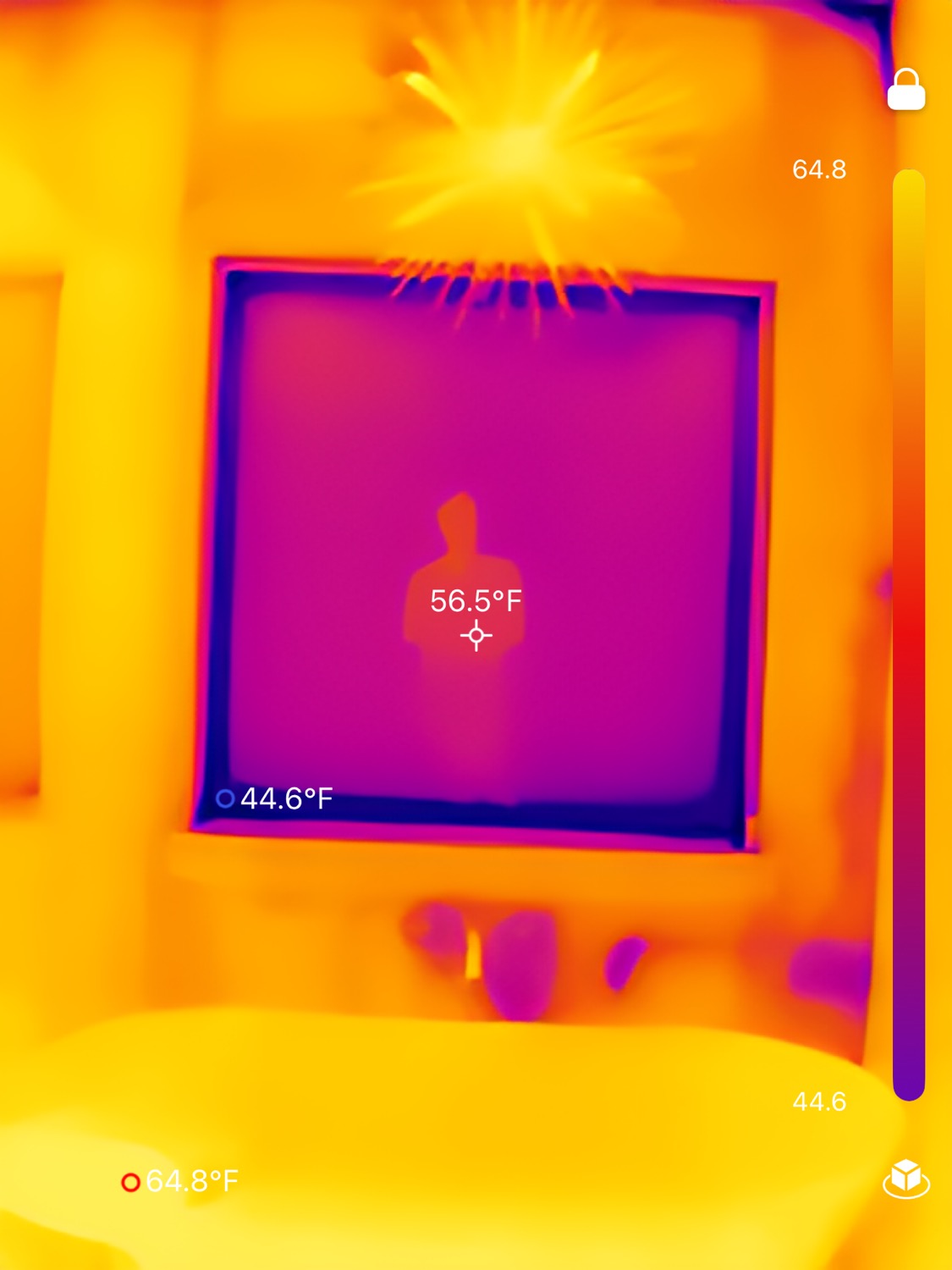
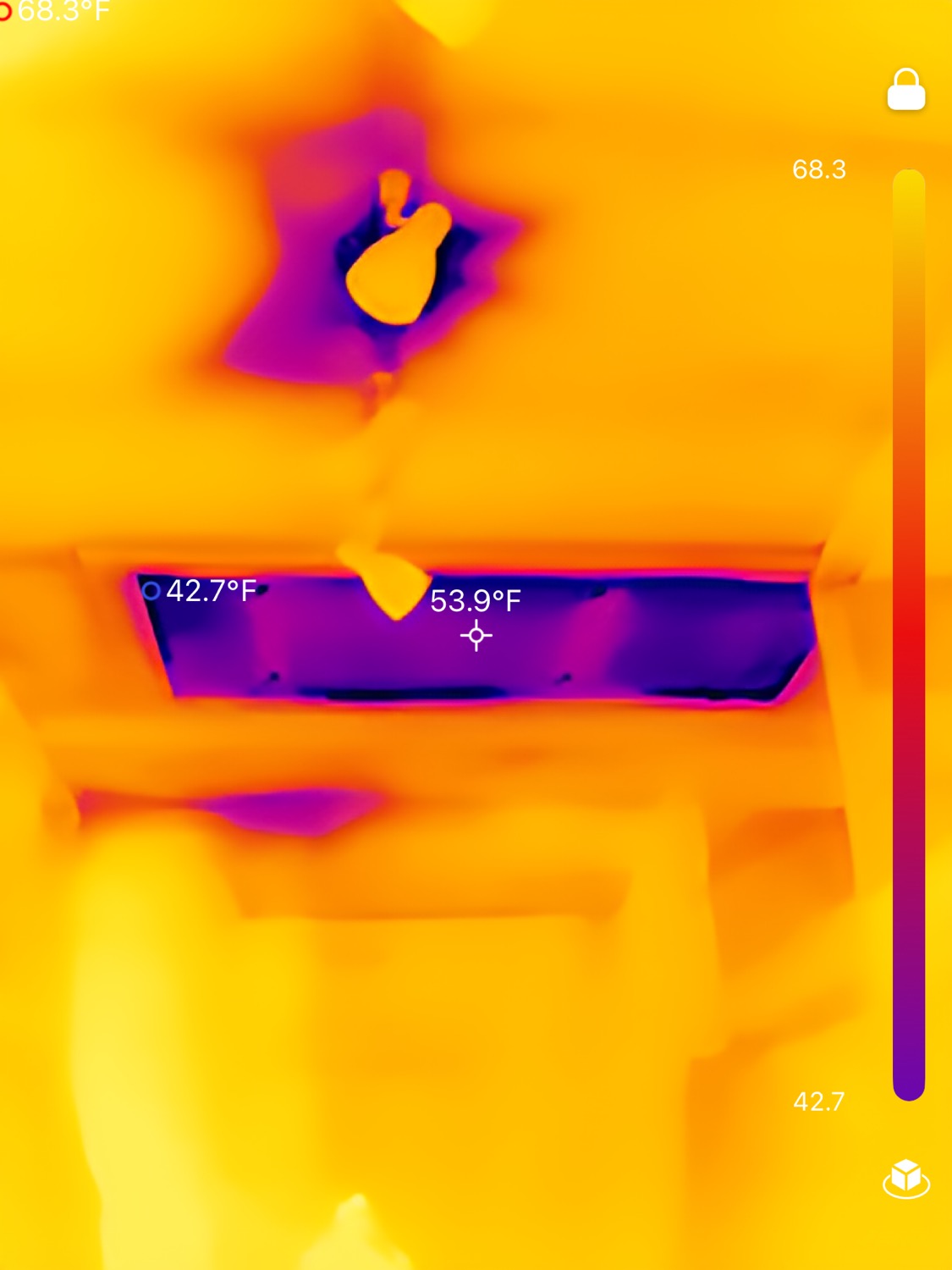
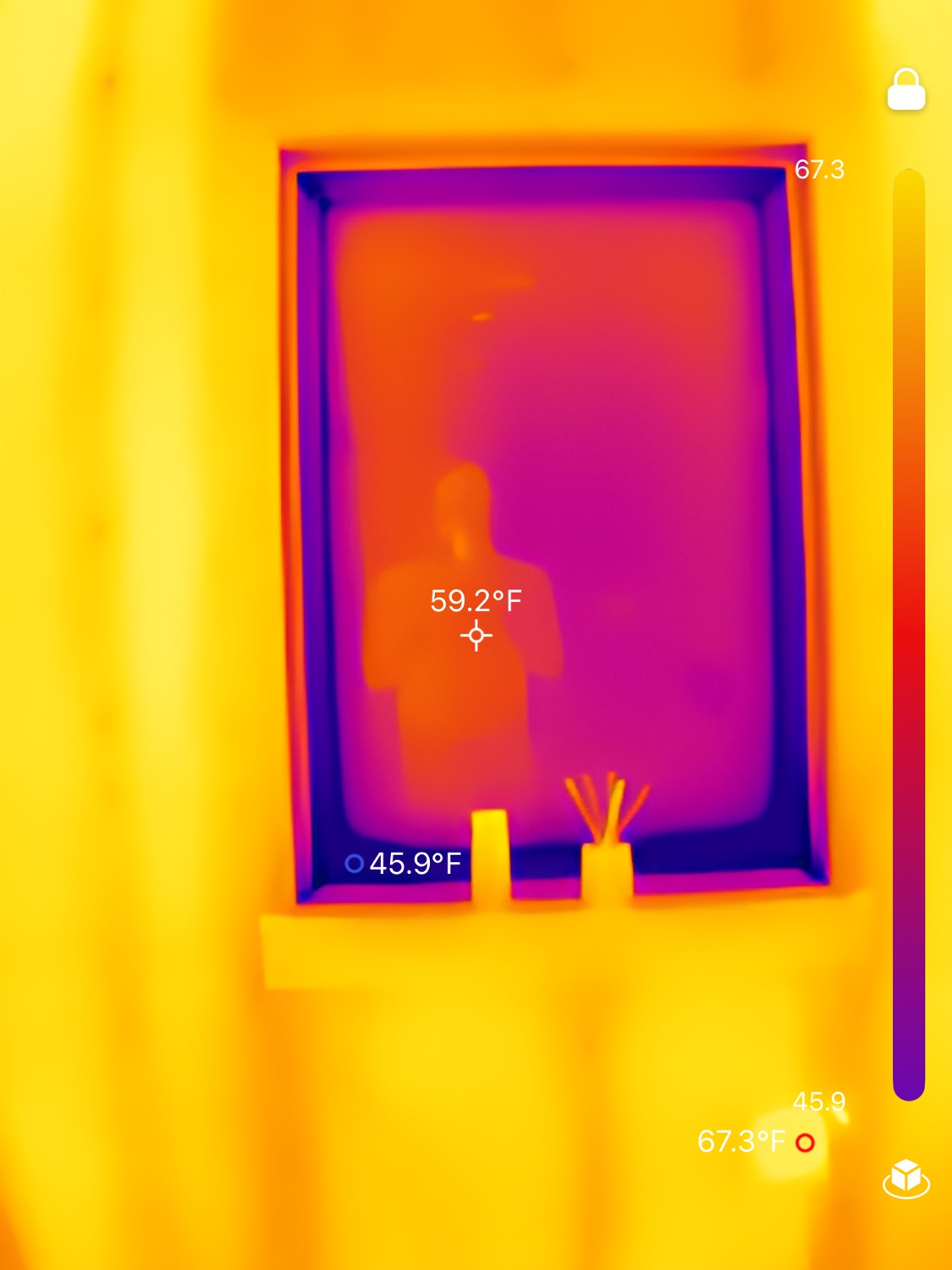
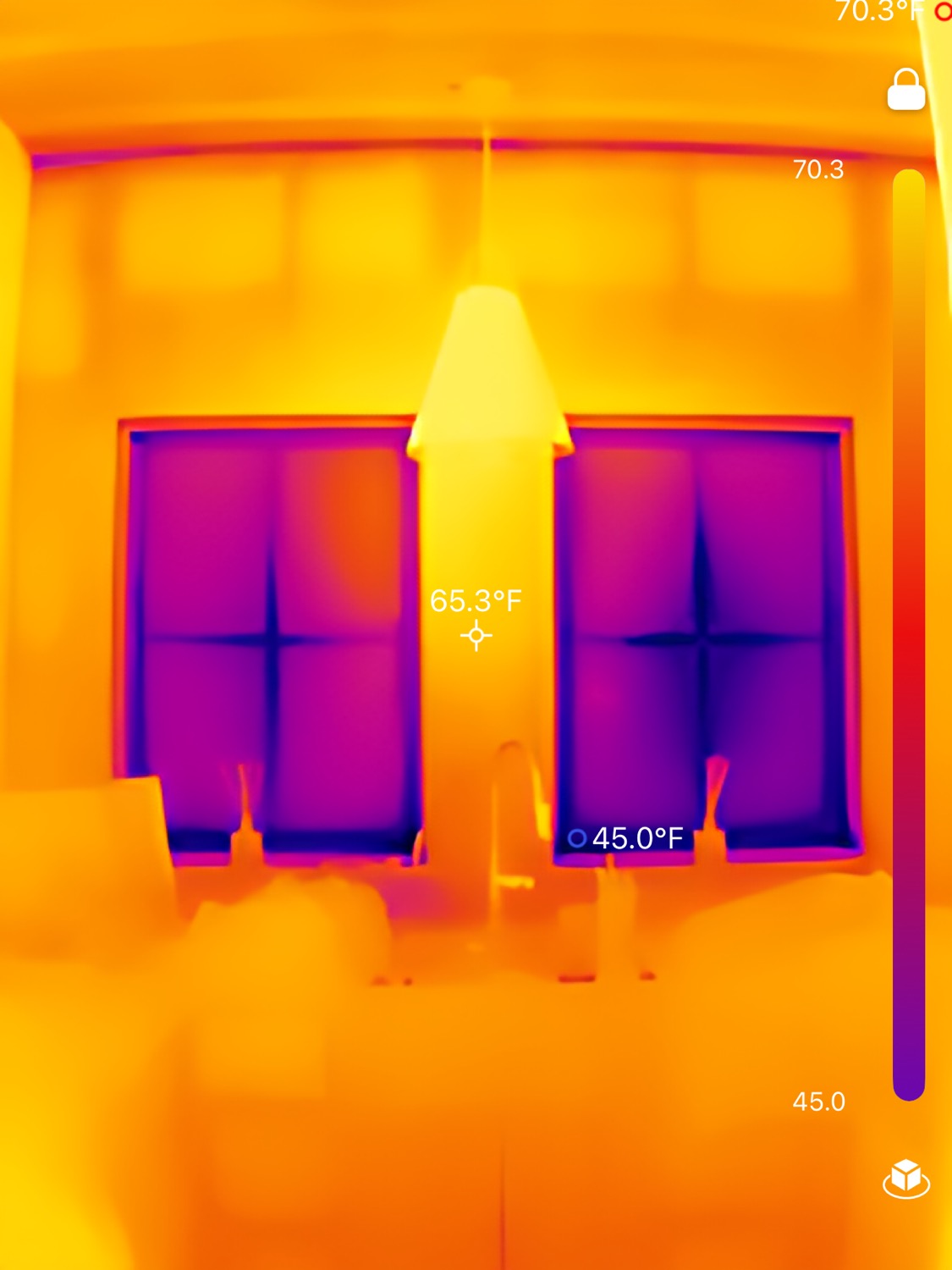
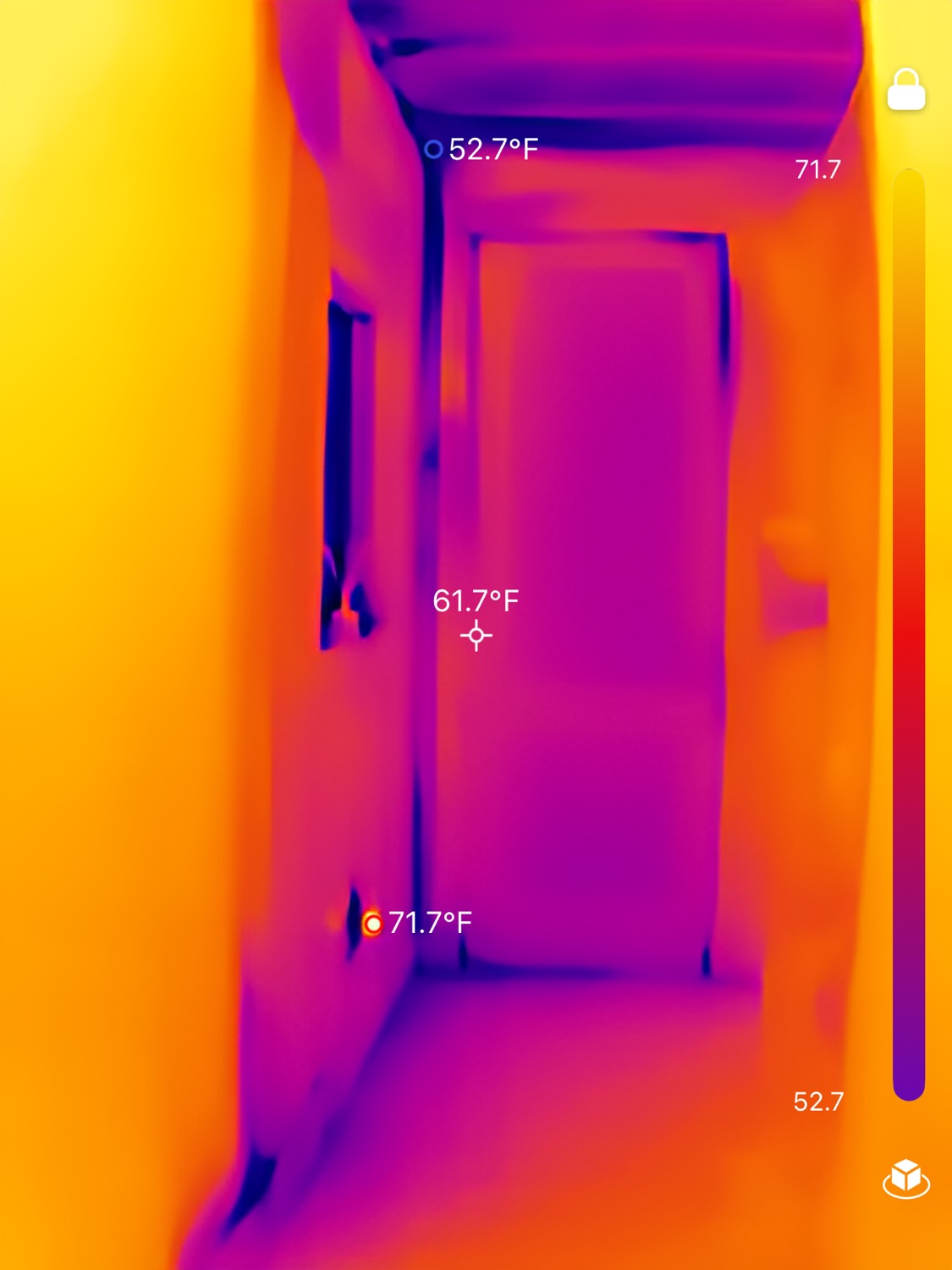
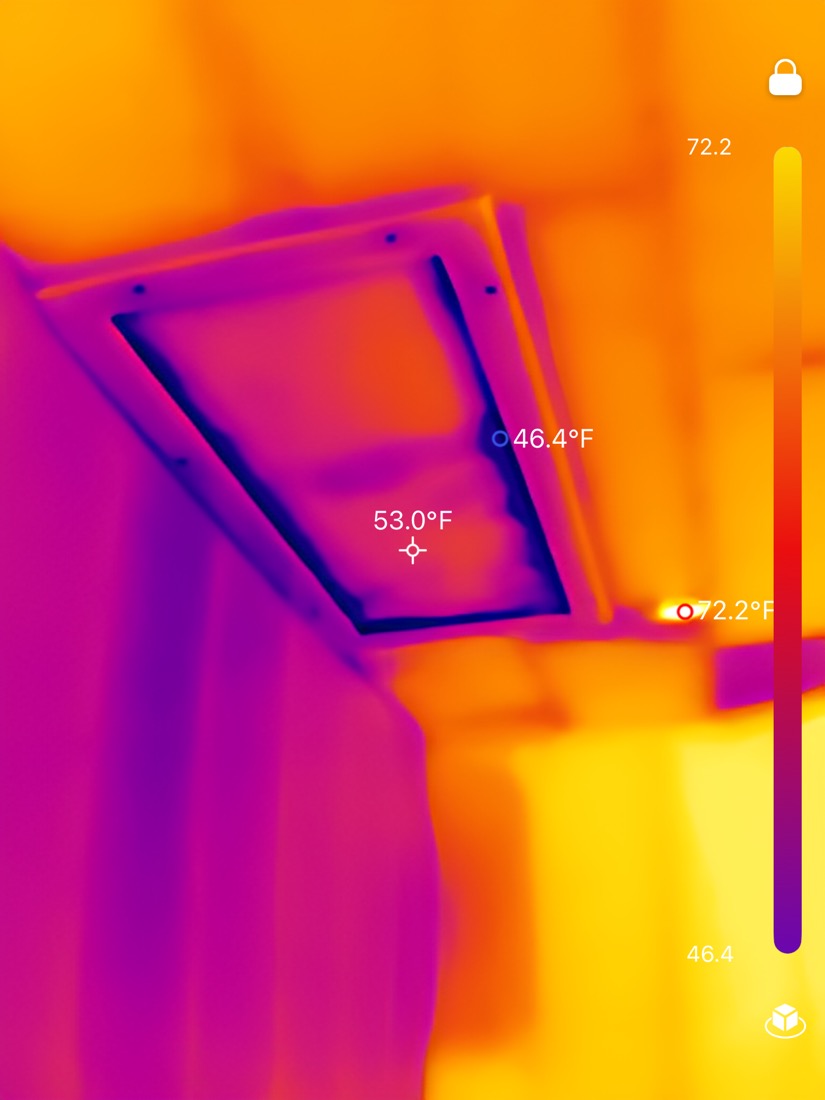
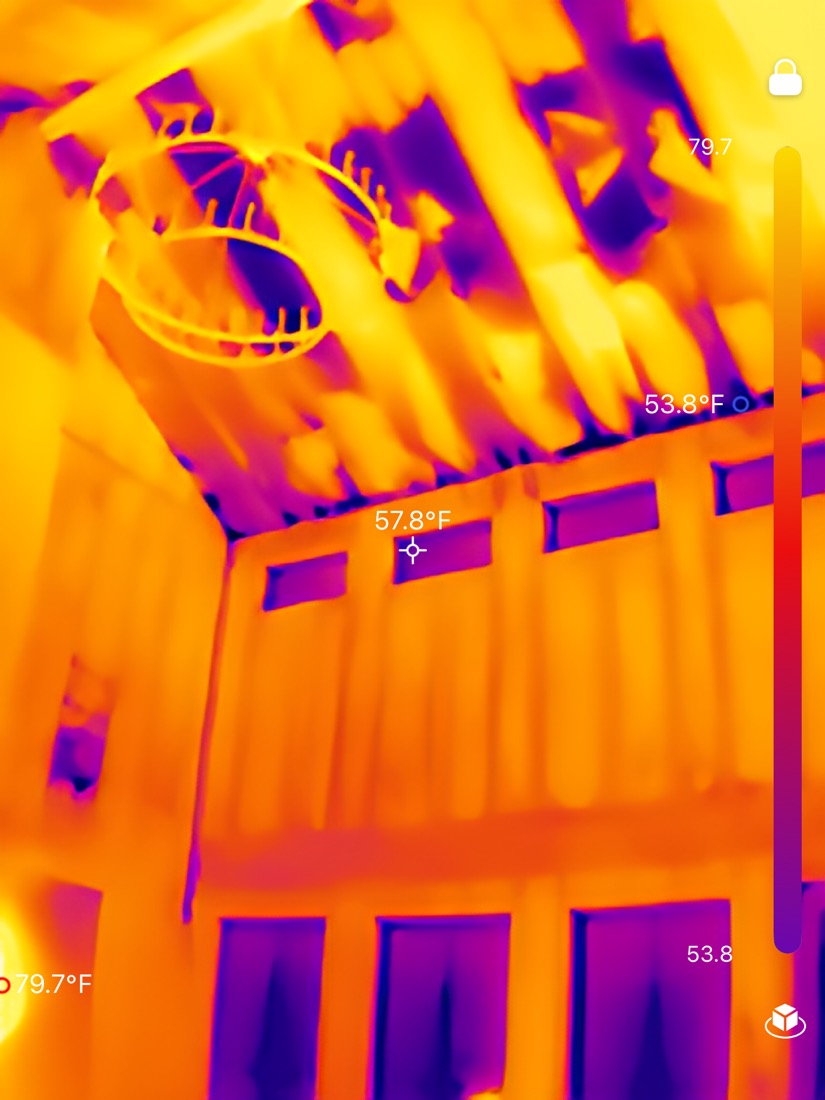
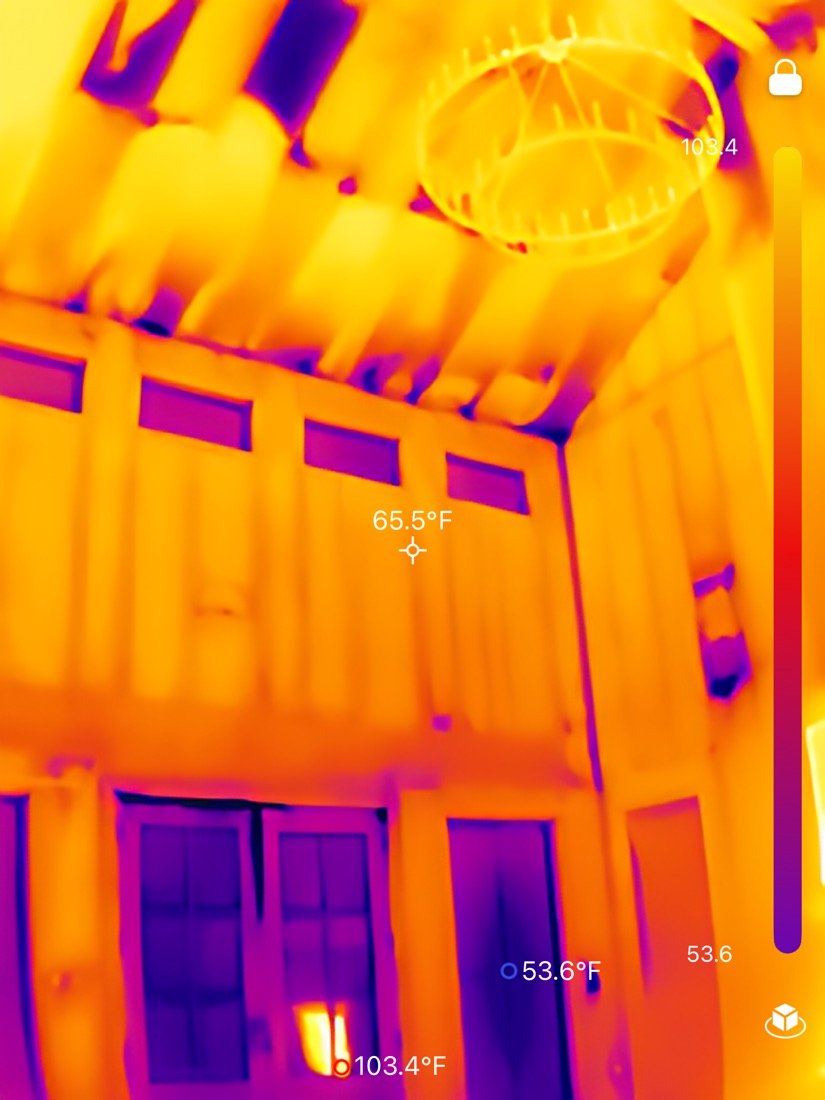
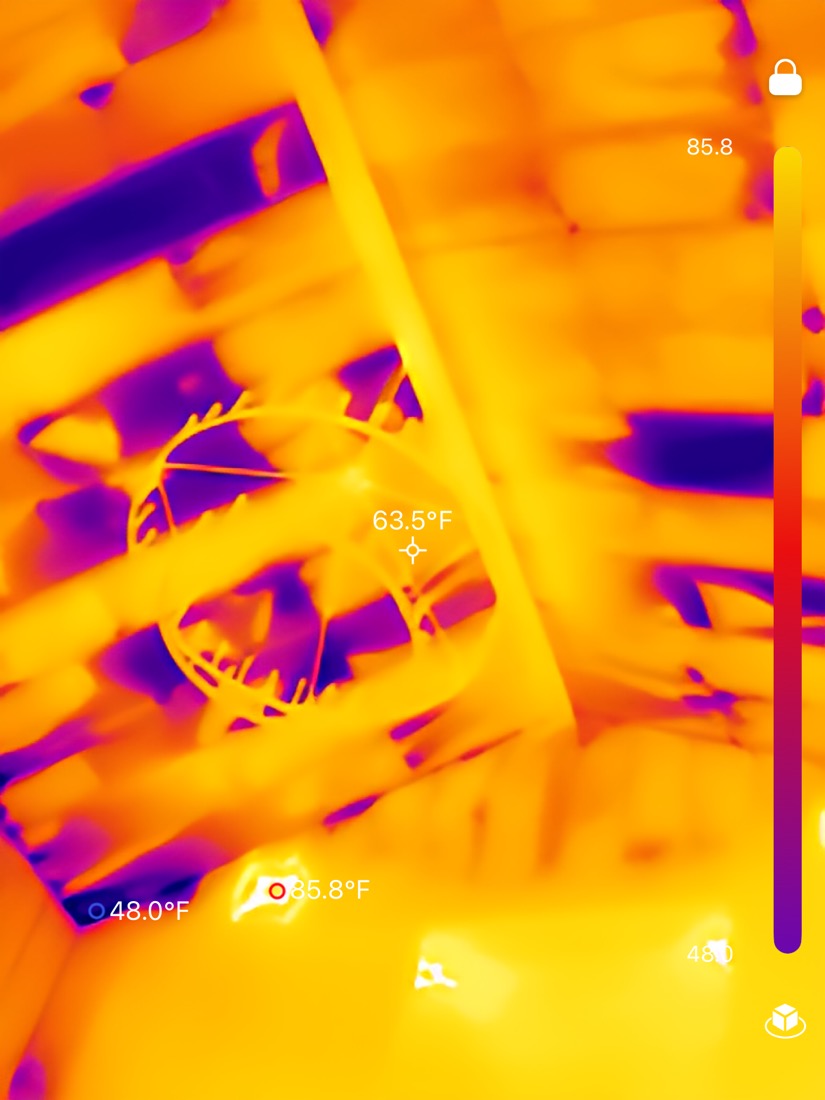
Infrared scans of the thermal envelope. The dark/blue areas are cold spots where conditioned air escapes or outside air enters — window and door assemblies here read roughly 40°F cooler than the surrounding room.


Photos from when the builder's insulation crew returned to add blown-in insulation. My opinion: this added coverage but did not address the underlying air-sealing of the envelope.


Documents
Both are full, state-promulgated TREC Property Inspection Report forms, provided here in their entirety so anyone can verify the findings firsthand.
A formal one-year warranty notice itemizing these defects was delivered to the builder in writing on March 2, 2026, before the one-year warranty period expired.
In fairness
In the interest of a complete and fair record, here is the builder's position as I understand it from our correspondence:
The builder has stated that he "built the house to code and it was inspected," that he "addressed all of the issues on the inspection at that time," and that he sent trades (insulation, HVAC, plumbing, glass) at his own cost. He has attributed some attic-insulation disturbance to a third-party solar installation.
Timeline